











Key Characteristics of Mobility Trailers
Ease of Use: These trailers typically feature a folding ramp that allows users to easily roll their mobility device on and off without needing to lift it manually.
Vehicle Compatibility: They are a suitable alternative for vehicles that cannot accommodate a lift, such as small sedans, though they can also be used with SUVs and vans. They require a vehicle with a Class II or Class III hitch.
Cargo Preservation: Because the mobility aid is towed behind the vehicle rather than stored inside, the trailer allows you to maintain full use of your vehicle’s trunk and passenger space.
Protection: Mobility trailers often provide a stable, enclosed, or semi-enclosed environment that protects the mobility device from outside elements.
Stability: Many models are designed with independent suspension and a low center of gravity to minimize bouncing and swaying during transport.
Distinction from Other Mobility Equipment
Mobility Trailers (Hitch-Mounted): These are towed behind the vehicle to transport the wheelchair.
Hitch-Mounted Lifts/Carriers: While these also attach to the vehicle's hitch, they are typically platforms that lift the device directly onto the back of the car, rather than being a separate towed unit.
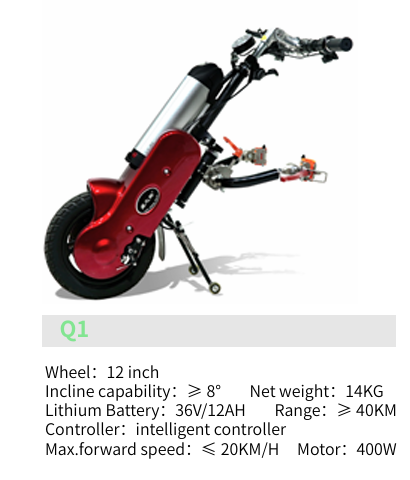
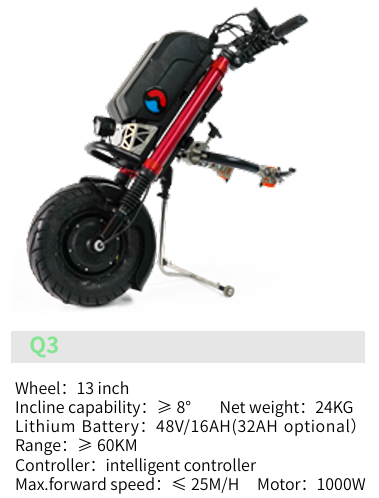
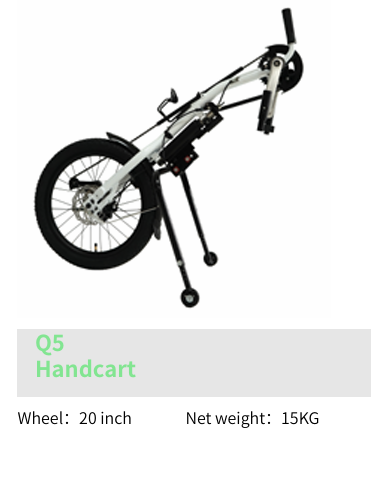
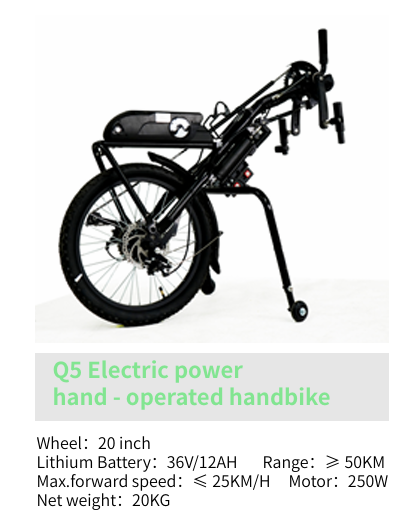
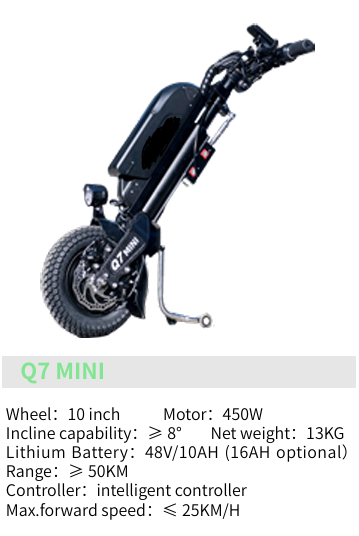
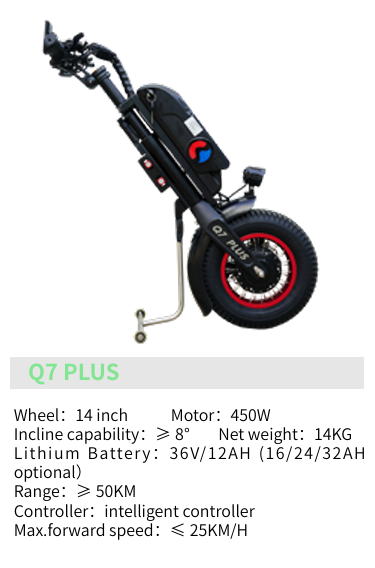
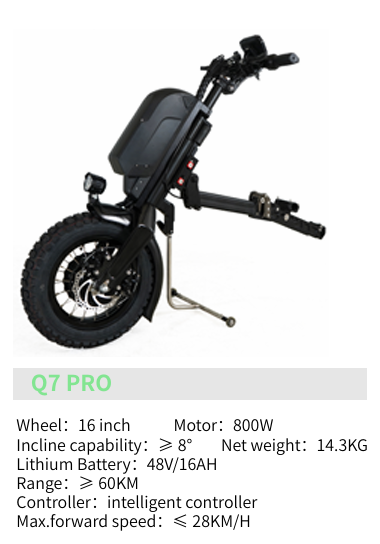
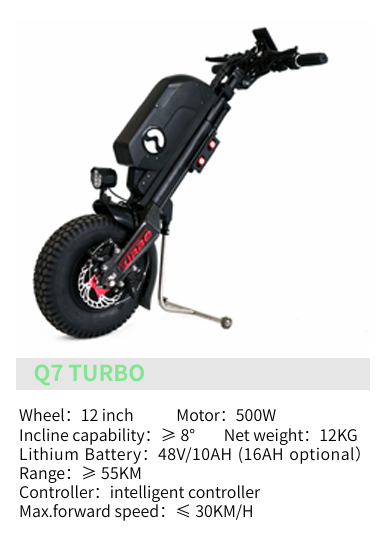
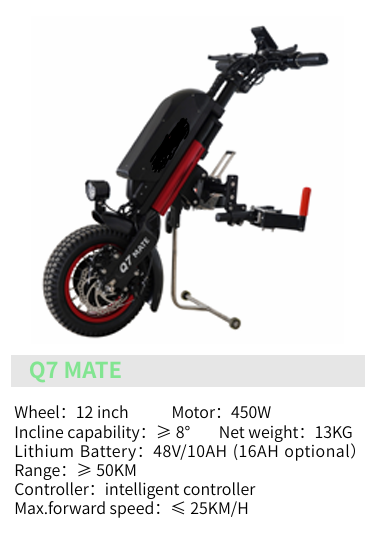
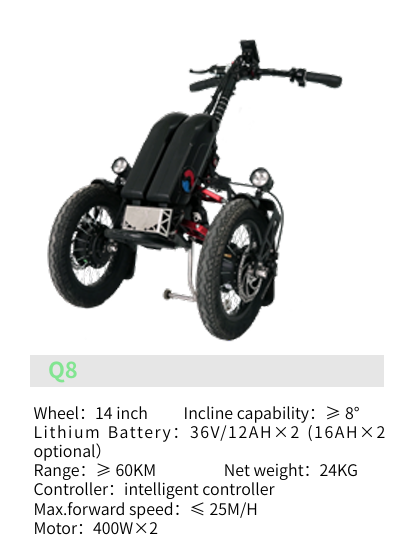
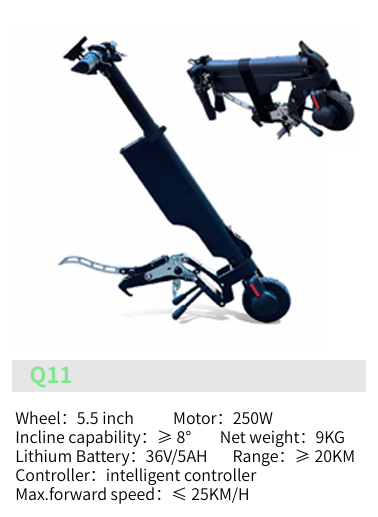
Power Add-Ons: These are attachments (like the front-drive unit you previously inquired about) that connect to a manual wheelchair to provide motorized propulsion, rather than serving a transport or towing function.
Reviews & Ratings
Frequently Bought Products

Quick Links
Contacts
-
Phone
-
Email
-
Address
-
Phone
+971-4-2270309
-
Email