








Industrial Vacuum Cup (Suction Cups)
How it works: When pressed against a smooth, non-porous surface (like glass or sheet metal), the cup expels the air from its interior. Once the air is removed—either manually or by a vacuum pump—the higher atmospheric pressure outside the cup pushes it firmly against the surface, creating a secure grip.
Applications: These are essential in automated assembly lines (such as for lifting car parts or glass panes), robotics, and manual lifting tools.
Key Factors: Performance depends on the surface texture (it must be non-porous), the size of the cup (which determines the surface area A available for the pressure to act upon), and the strength of the vacuum generated.
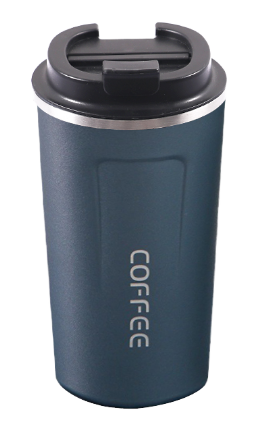
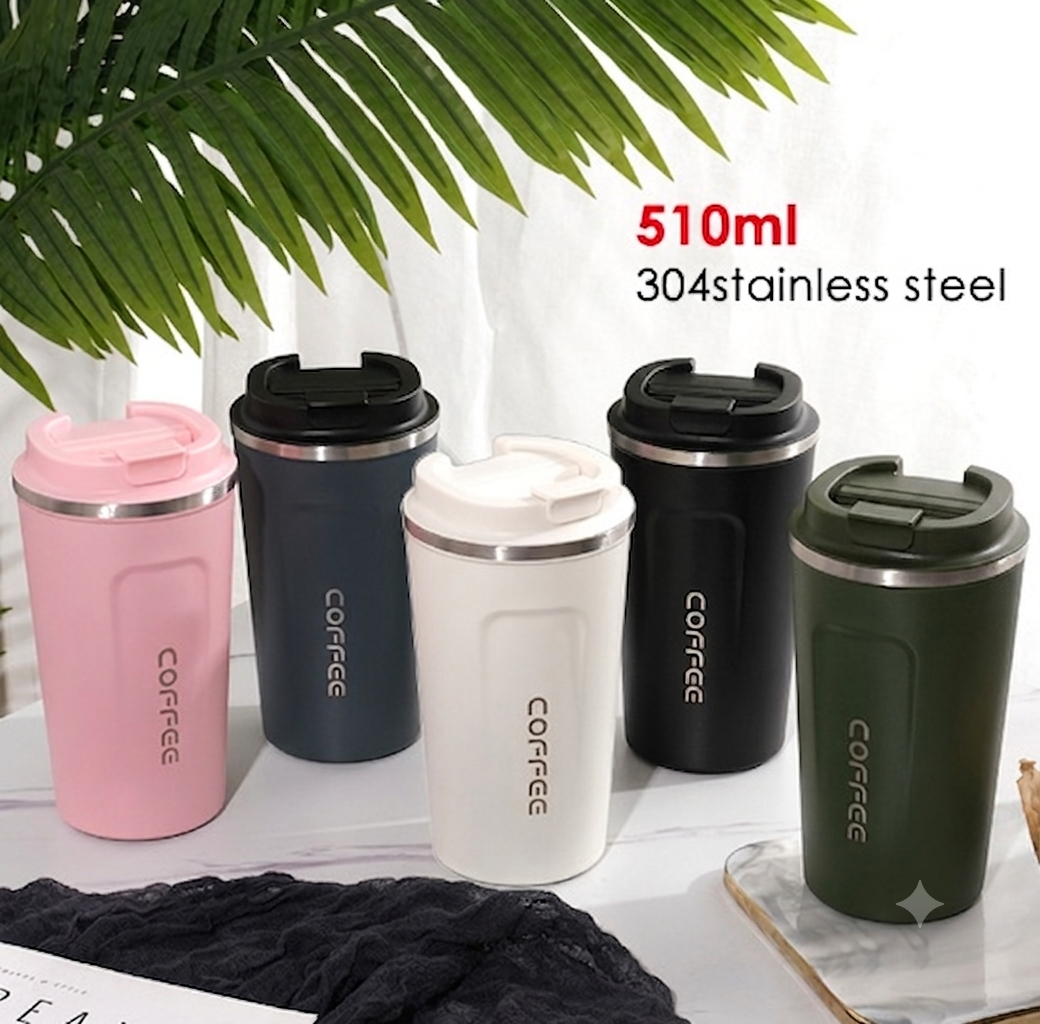
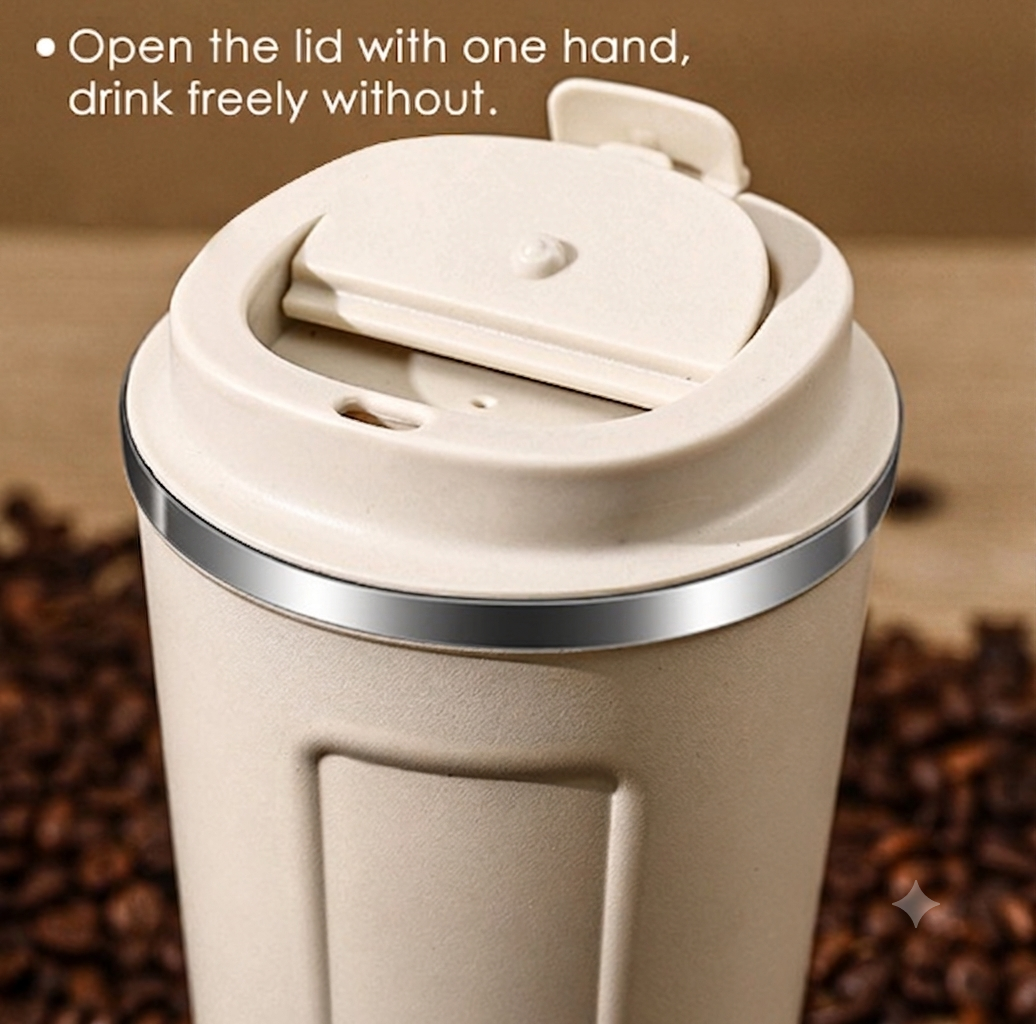
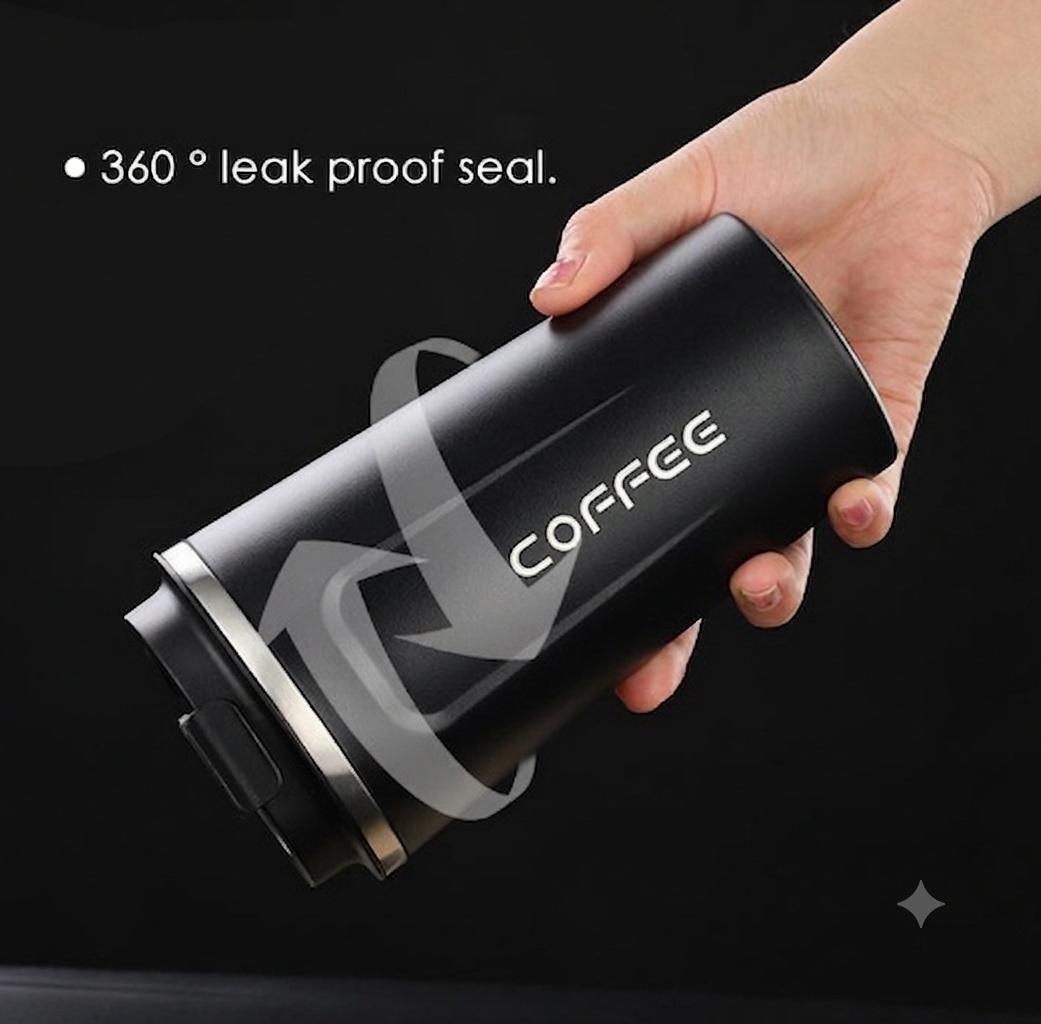
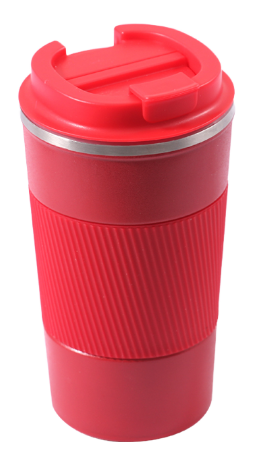
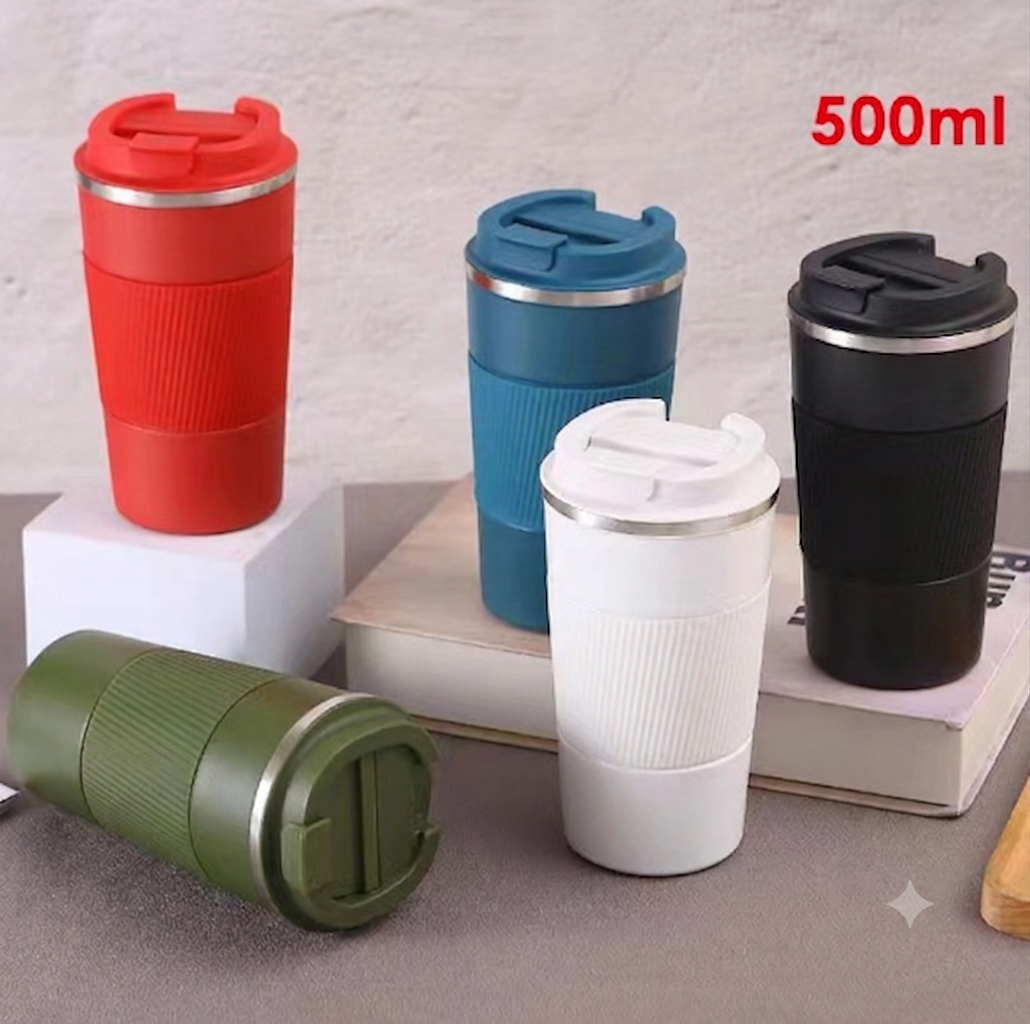
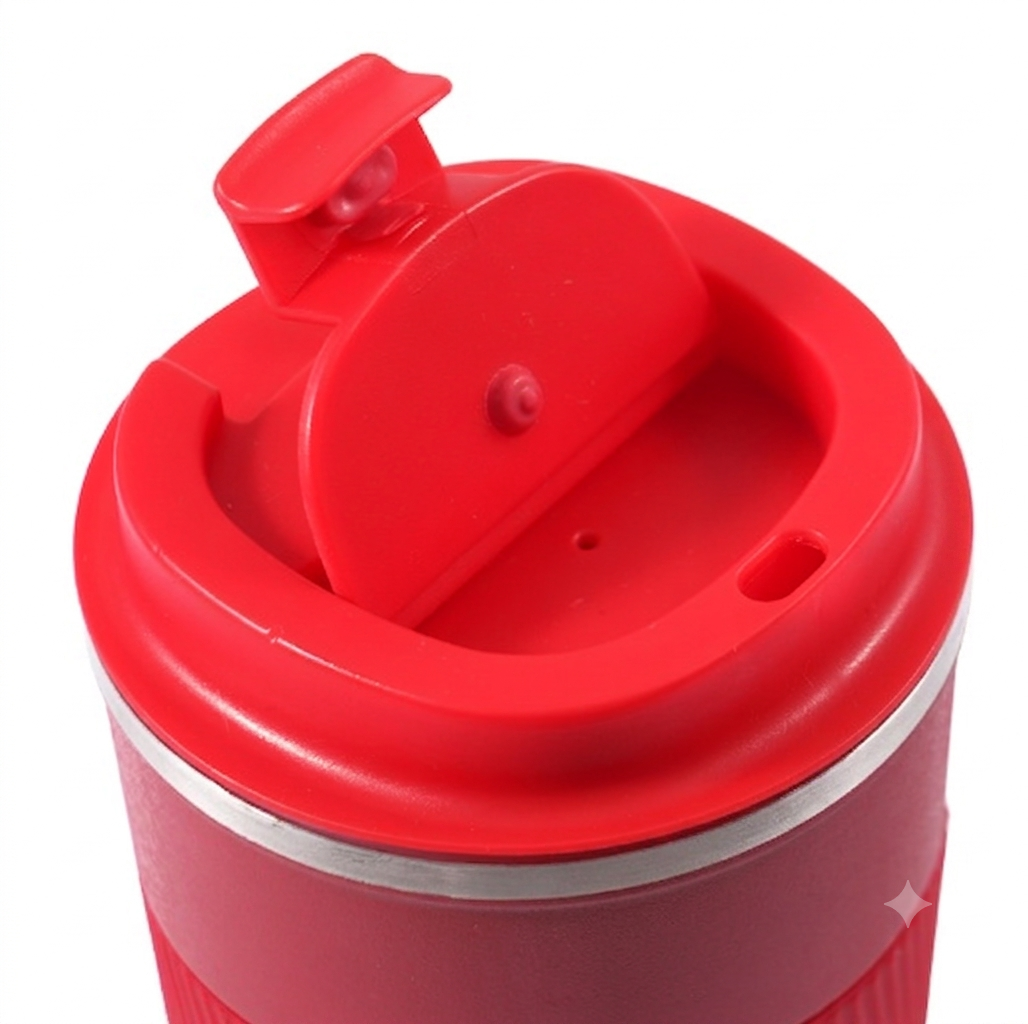
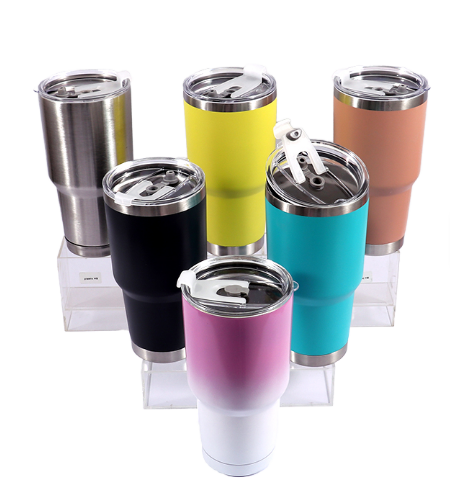
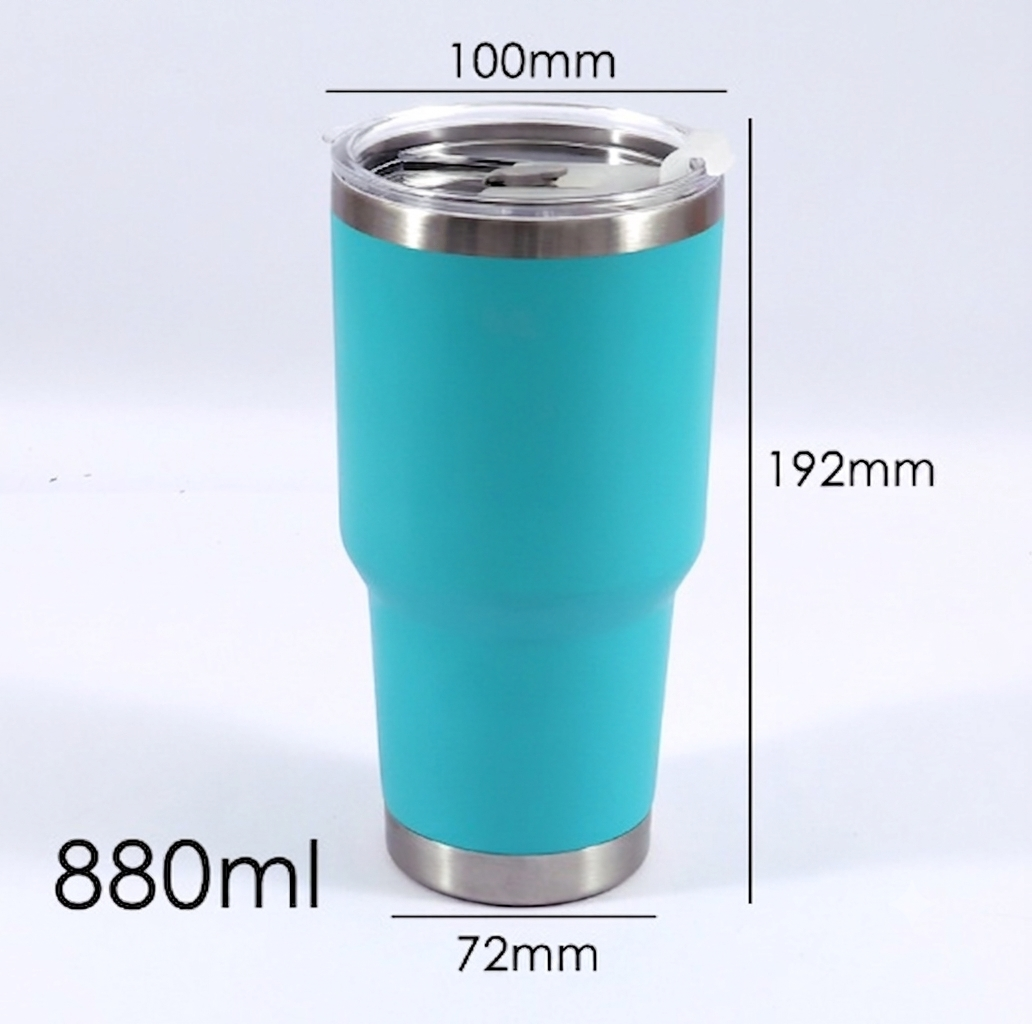
Vacuum - Insulated Cups (Drinkware)
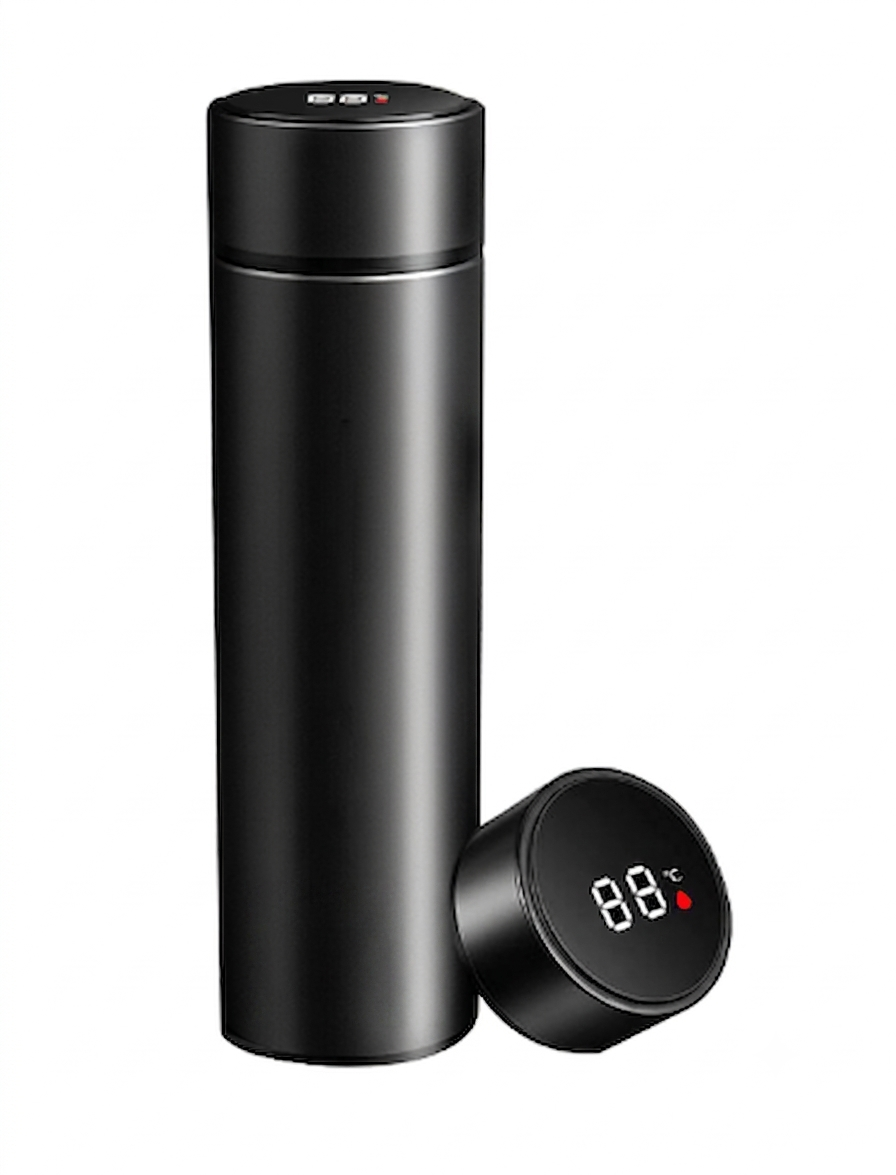
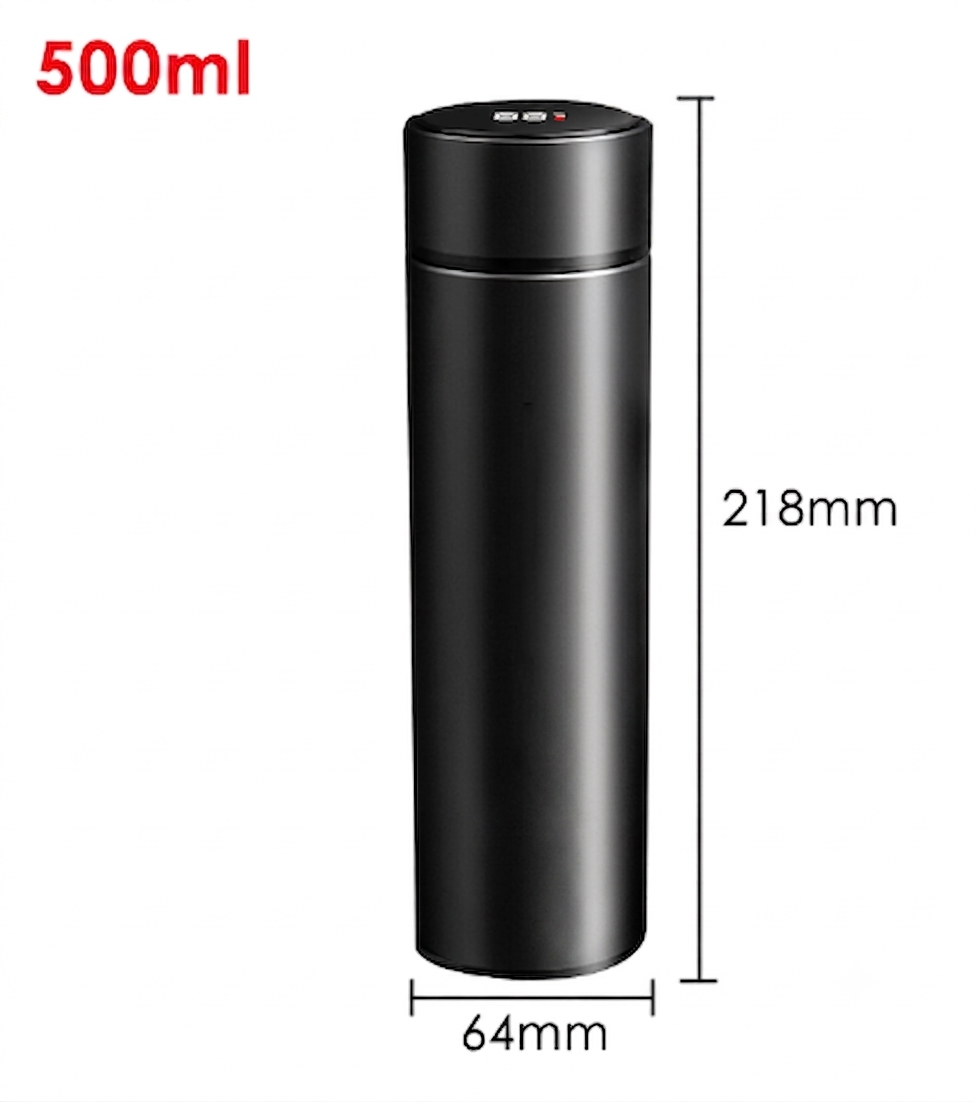
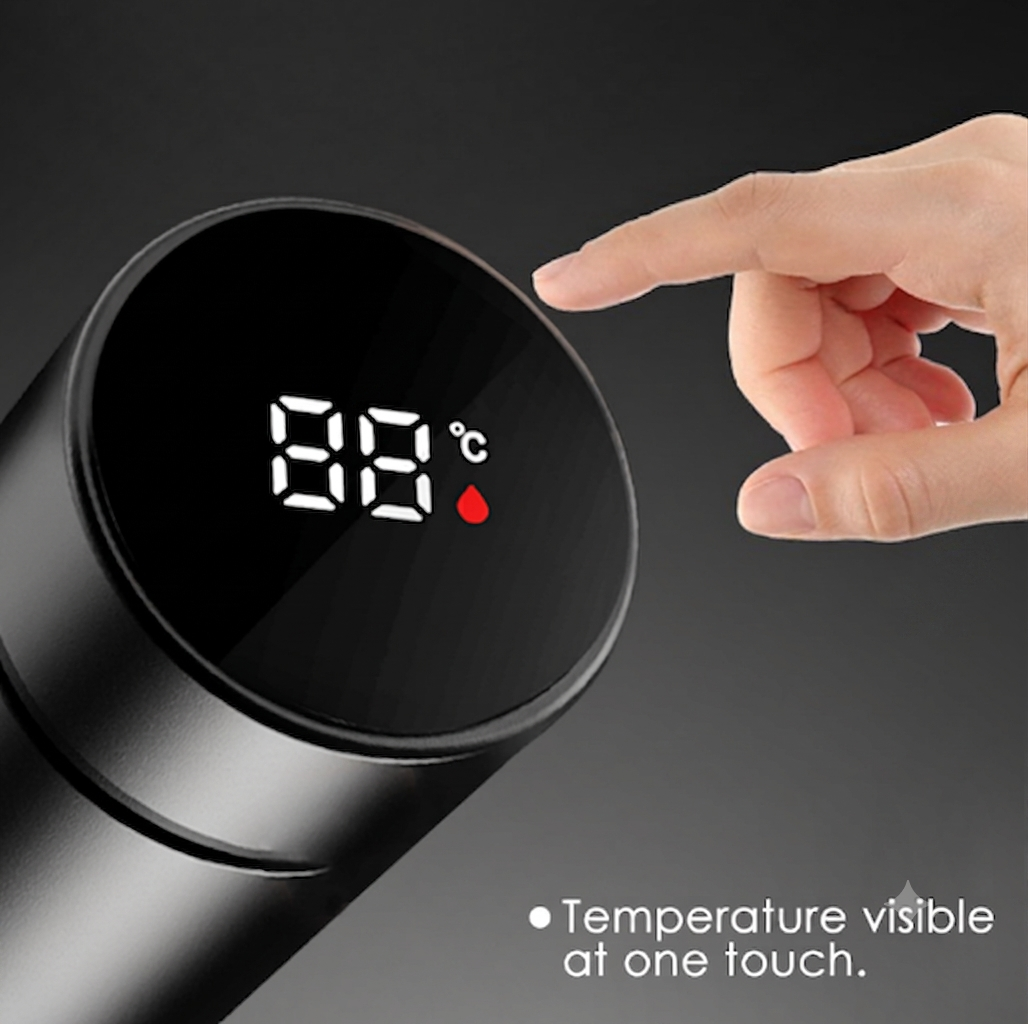
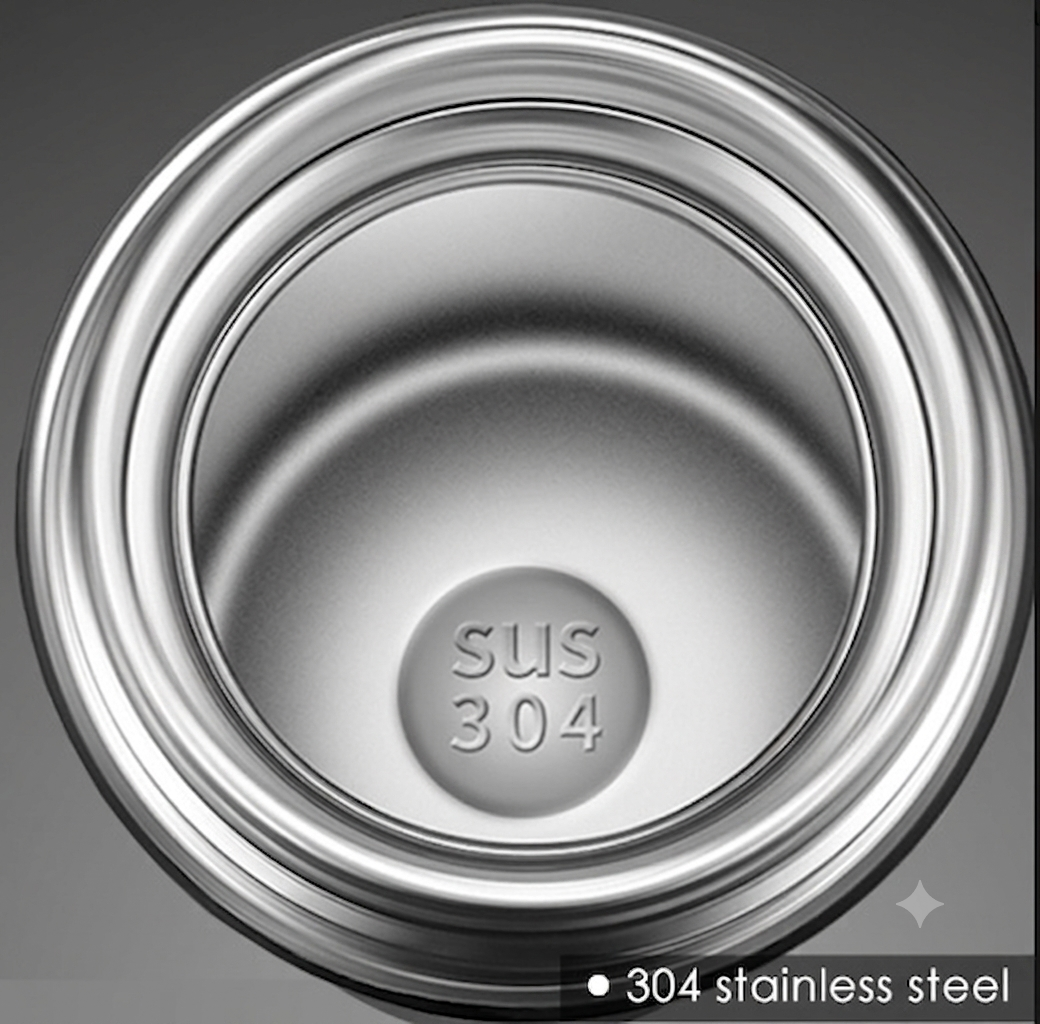
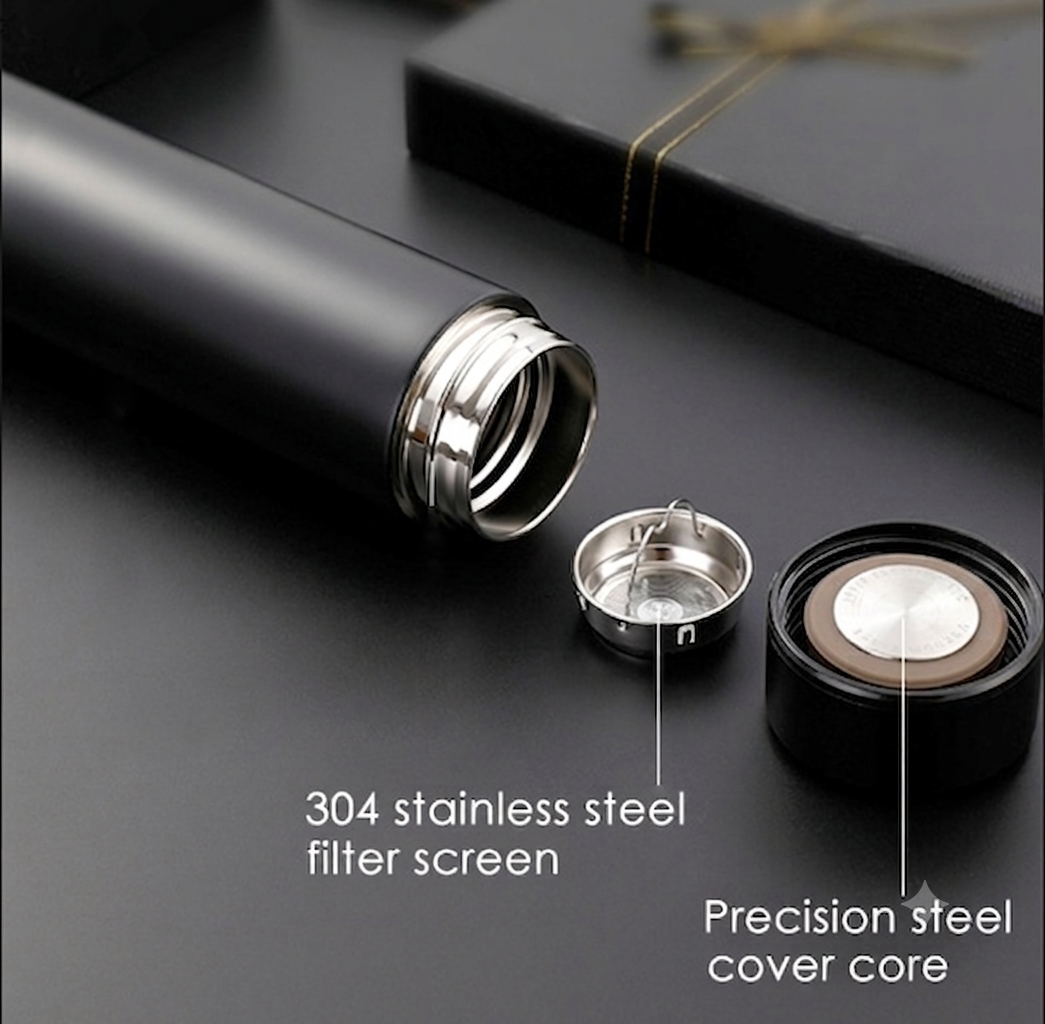
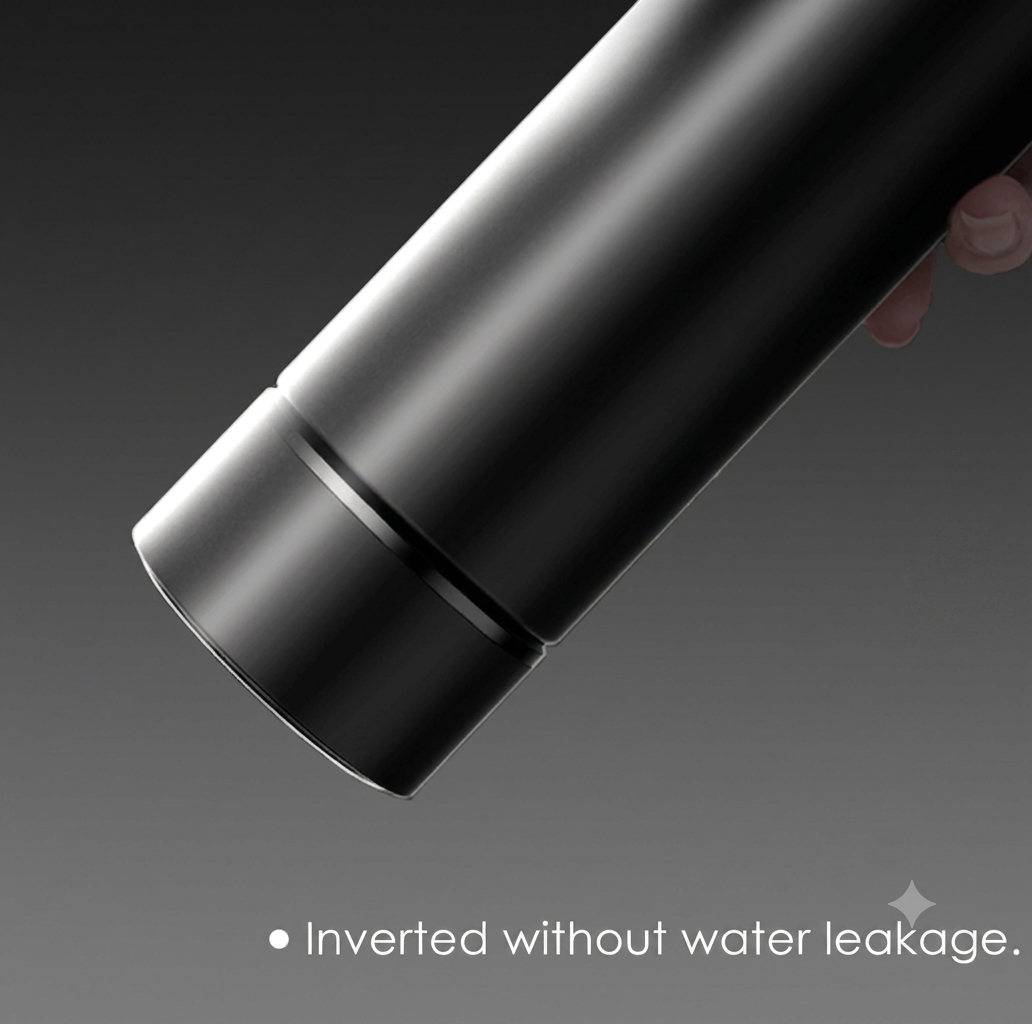
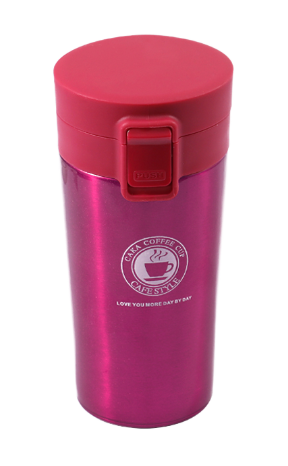
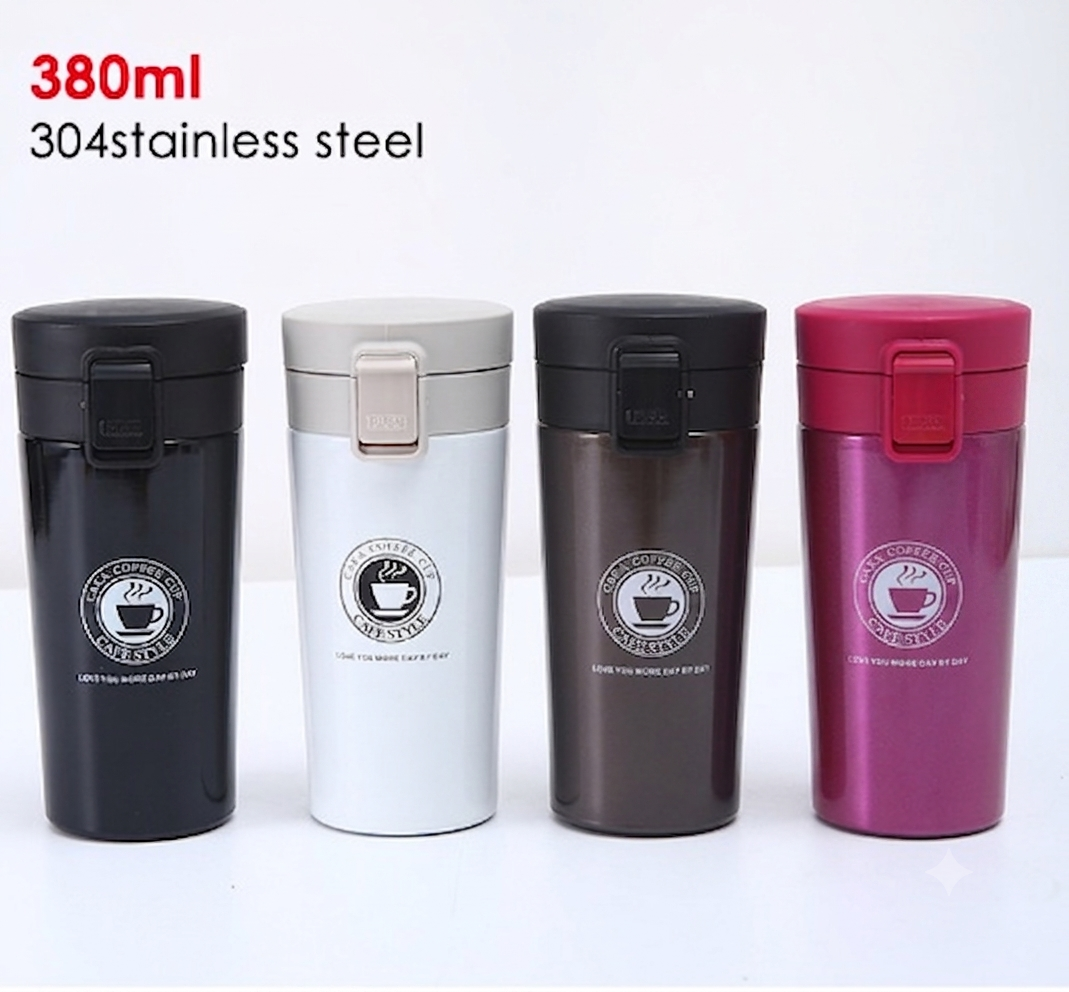
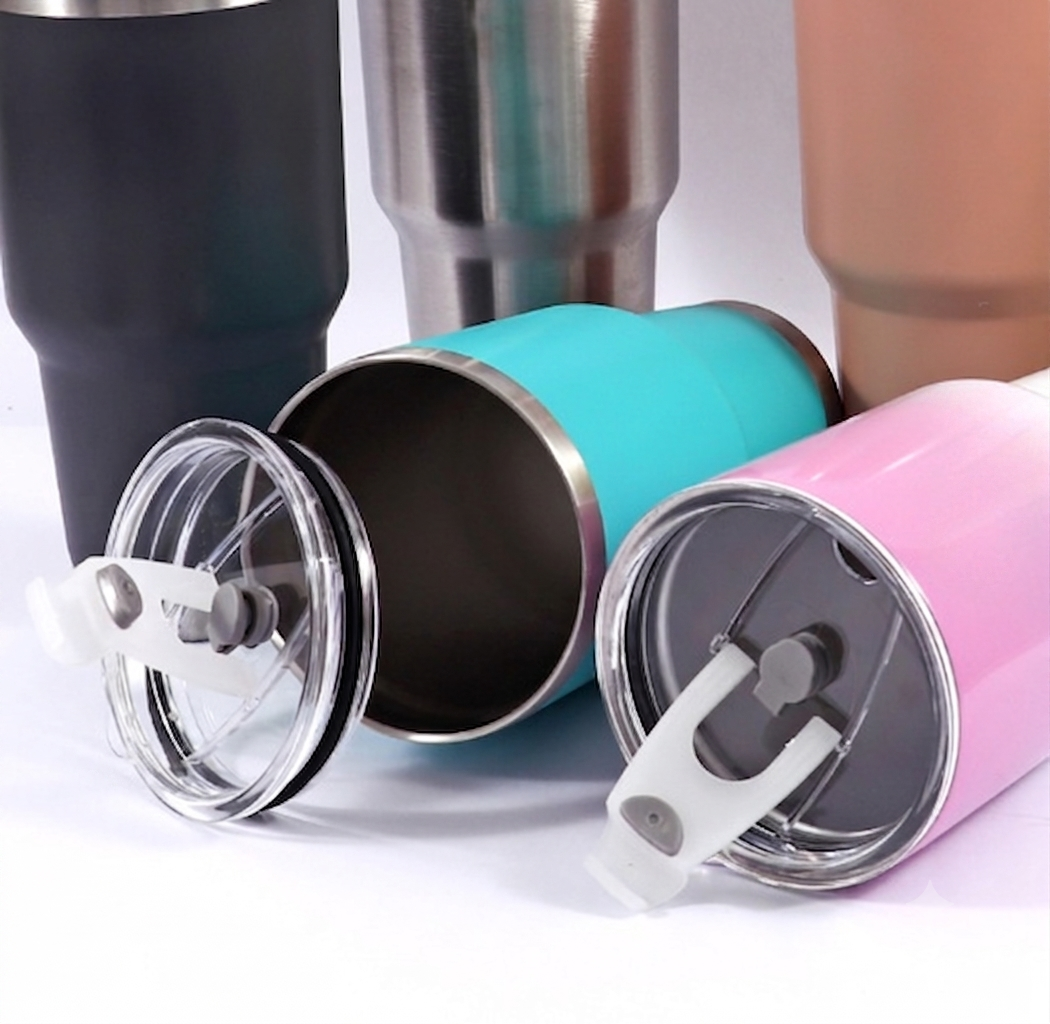
How they work: Unlike the industrial suction cup described above, these use a "vacuum" in a thermodynamic sense. The cup consists of two walls (usually stainless steel) with a space between them from which the air has been removed.
Why they work: Heat transfer occurs primarily through conduction, convection, and radiation. By removing the air between the inner and outer walls, the manufacturers eliminate the medium through which conduction and convection can easily occur. This creates a "thermos" effect that keeps liquids hot or cold for extended periods.
Reviews & Ratings
Frequently Bought Products

Quick Links
Contacts
-
Phone
-
Email
-
Address
-
Phone
+971-4-2270309
-
Email