




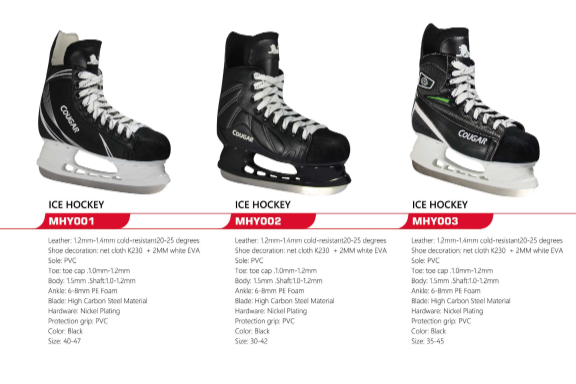
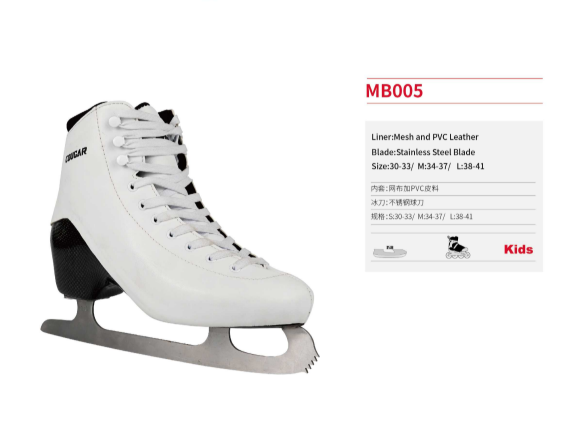
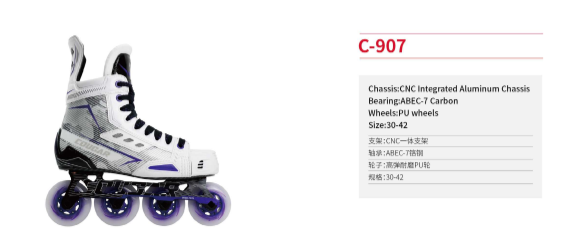
THE BOOT (ANATOMICAL & STRUCTURAL FEATURES)
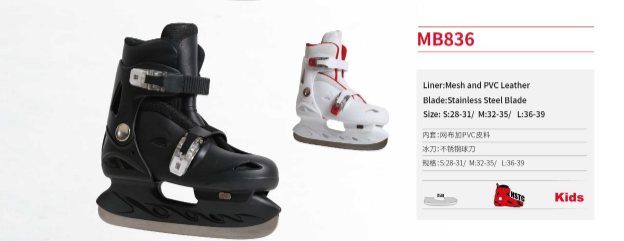
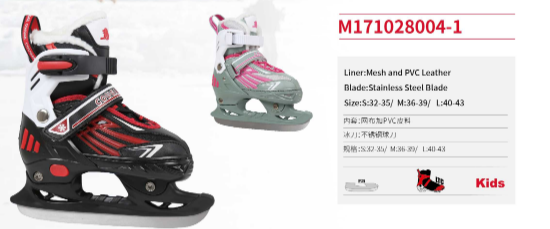
The boot is designed to provide support, comfort, and energy transfer. When describing it, focus on these elements:
Material:
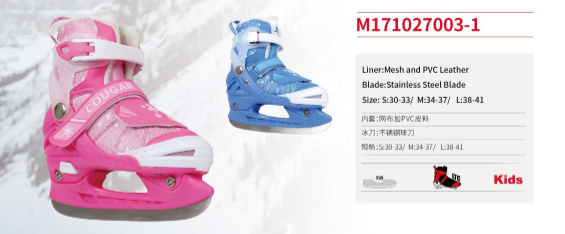
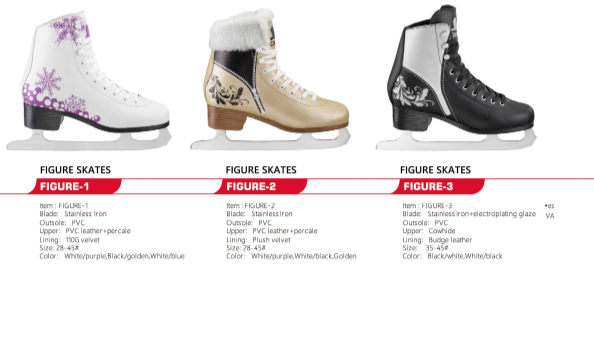
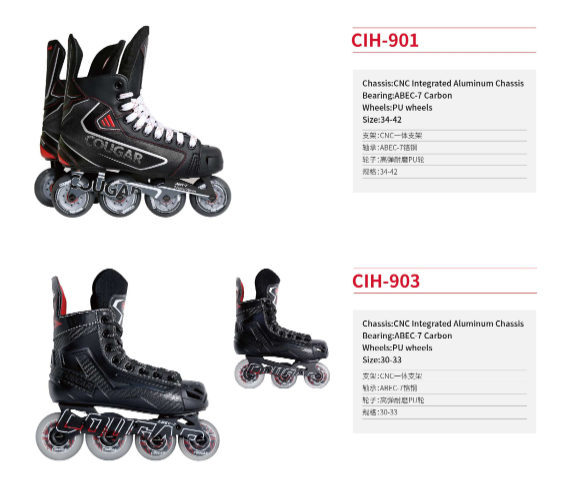
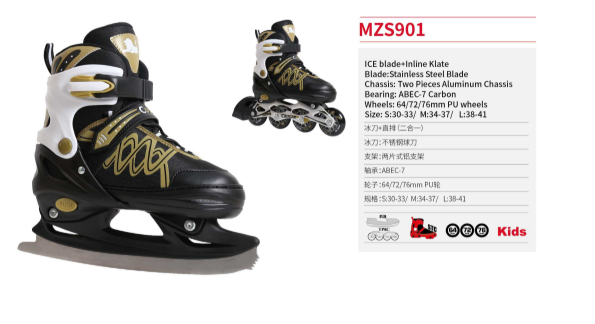
Exterior: Often made of leather, synthetic leather, ballistic nylon, or thermoformed composites. (Mention if it is rigid for high performance or softer for comfort/beginners).
Lining: Look for moisture-wicking, padded, or heat-moldable materials that enhance comfort and help regulate temperature.
Support Structure:
Ankle Support: Essential for stability. High-end boots are stiffer, while recreational boots offer more flexibility.
Heel Counter: The reinforced area around the heel that locks the foot in place to prevent slippage.
Tongue: A padded section that runs up the front to protect the top of the foot from lace pressure and ensure a snug fit.
Closure System: How the boot secures to the foot (e.g., laces with eyelets and hooks for customized tension, or buckle systems on recreational models for ease of use).
THE BLADE (FUNCTIONAL & PERFORMANCE FEATURES)
The blade is engineered for specific disciplines. Describe its function by noting these traits:
Type/Discipline:
Figure Skates: Longer blades featuring toe picks (jagged teeth at the front) for jumps, spins, and pivots.
Hockey Skates: Shorter, curved blades designed for speed, quick acceleration, and maneuverability with no toe pick.
Speed Skates: Very long, flat blades optimized for straight-line speed.
Edge Anatomy:
The Hollow: The groove running along the bottom of the blade, which creates the "two edges" (inside and outside) that grip the ice.
The Rocker (Radius): The curvature of the blade from front to back, which determines how much of the blade contacts the ice at once.
Reviews & Ratings
Frequently Bought Products

Quick Links
Contacts
-
Phone
-
Email
-
Address
-
Phone
+971-4-2270309
-
Email