














Gasoline Vehicles
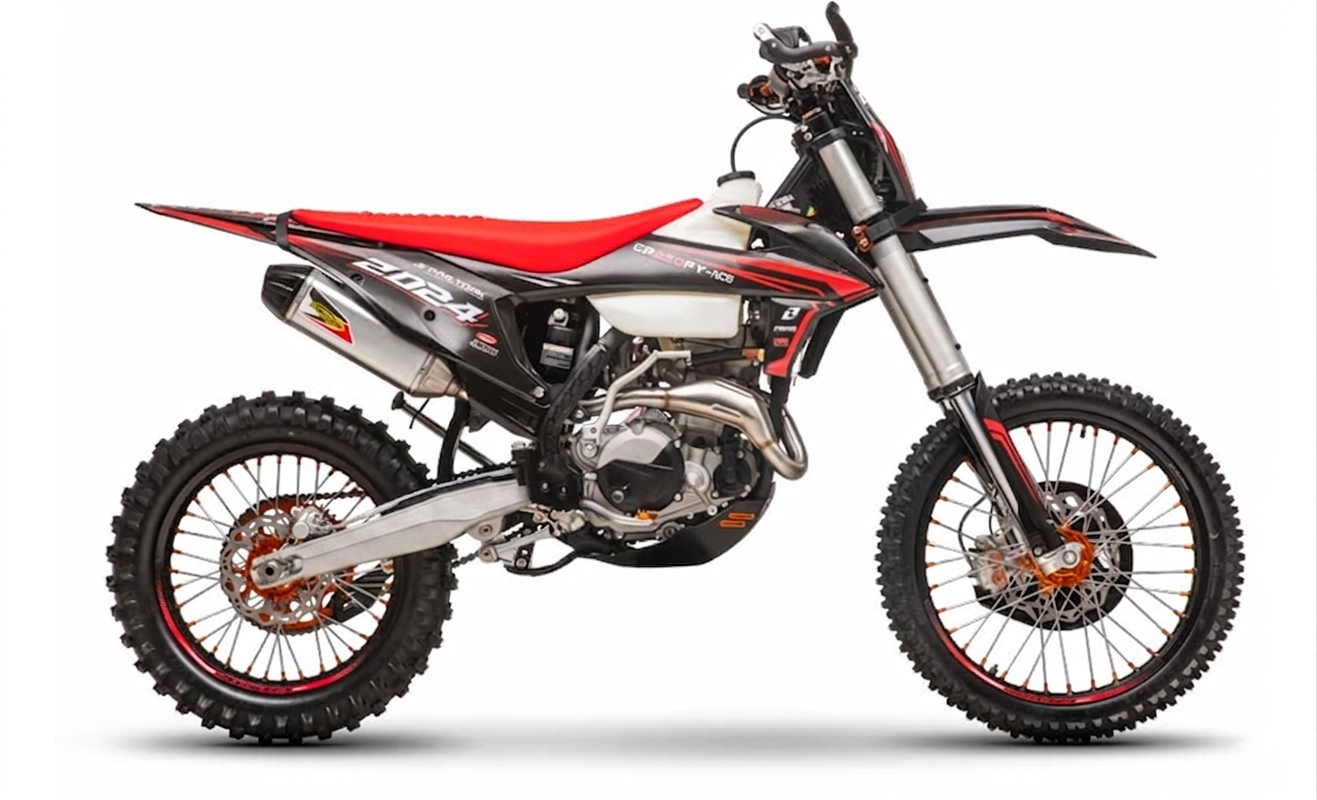
Mechanism: They operate using a four-stroke cycle: intake, compression, power, and exhaust.
Chemical energy from fuel is converted into mechanical energy as pistons move within cylinders, creating rotary motion to drive the wheels. Key Components: Includes a fuel tank, fuel pump, spark plugs, cylinders, pistons, and a transmission system.
Performance: Reliable and familiar, with fast refueling at traditional stations.
Maintenance is well-understood by most mechanics.
Electric Vehicles (Battery Electric Vehicles - BEV)
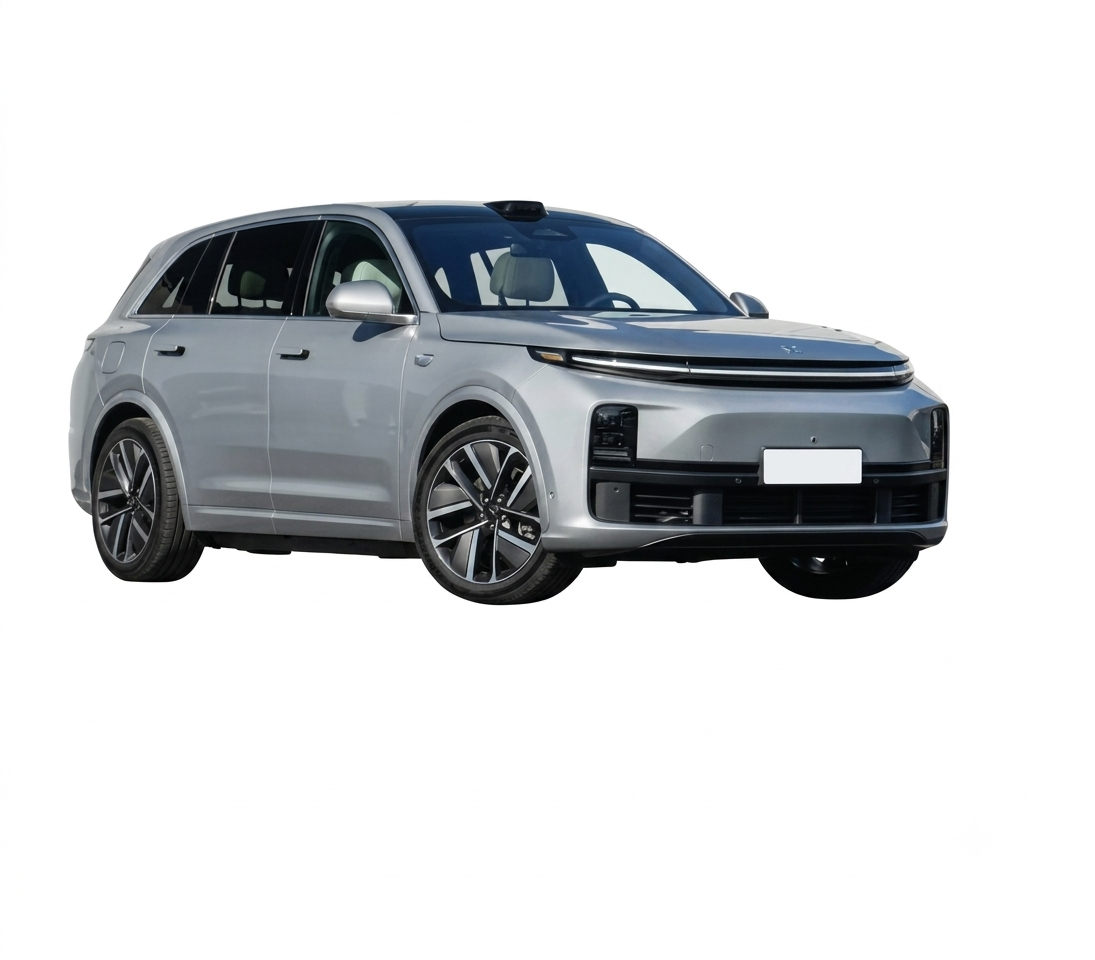
Mechanism: Electricity from the battery powers an electric traction motor, which creates a magnetic field to generate the mechanical energy needed to turn the wheels.
Key Components: Large traction battery pack, electric motor, onboard charger, DC/DC converter, and a power electronics controller.
Performance: Features zero tailpipe emissions, rapid torque for quick acceleration, and quiet operation.
They typically require less maintenance due to having fewer moving parts than ICE vehicles.
Hybrid Electric Vehicles (HEV & PHEV)
Types:
Hybrid Electric Vehicles (HEV): Use an electric motor to assist the gas engine, primarily during acceleration or low speeds.
The battery is charged through regenerative braking and the engine itself; they cannot be plugged in. Plug-in Hybrid Electric Vehicles (PHEV): Feature a larger battery that can be recharged via an external power source.
They offer an all-electric driving range before switching to the gasoline engine.
Mechanism: Configurations include series (motor drives wheels, engine generates electricity), parallel (both engine and motor drive wheels), or series-parallel (combines both).
Performance: Provides the range flexibility of a gasoline vehicle with the improved efficiency and lower emissions of electric power.
Reviews & Ratings
Frequently Bought Products

Quick Links
Contacts
-
Phone
-
Email
-
Address
-
Phone
+971-4-2270309
-
Email