





Key Features
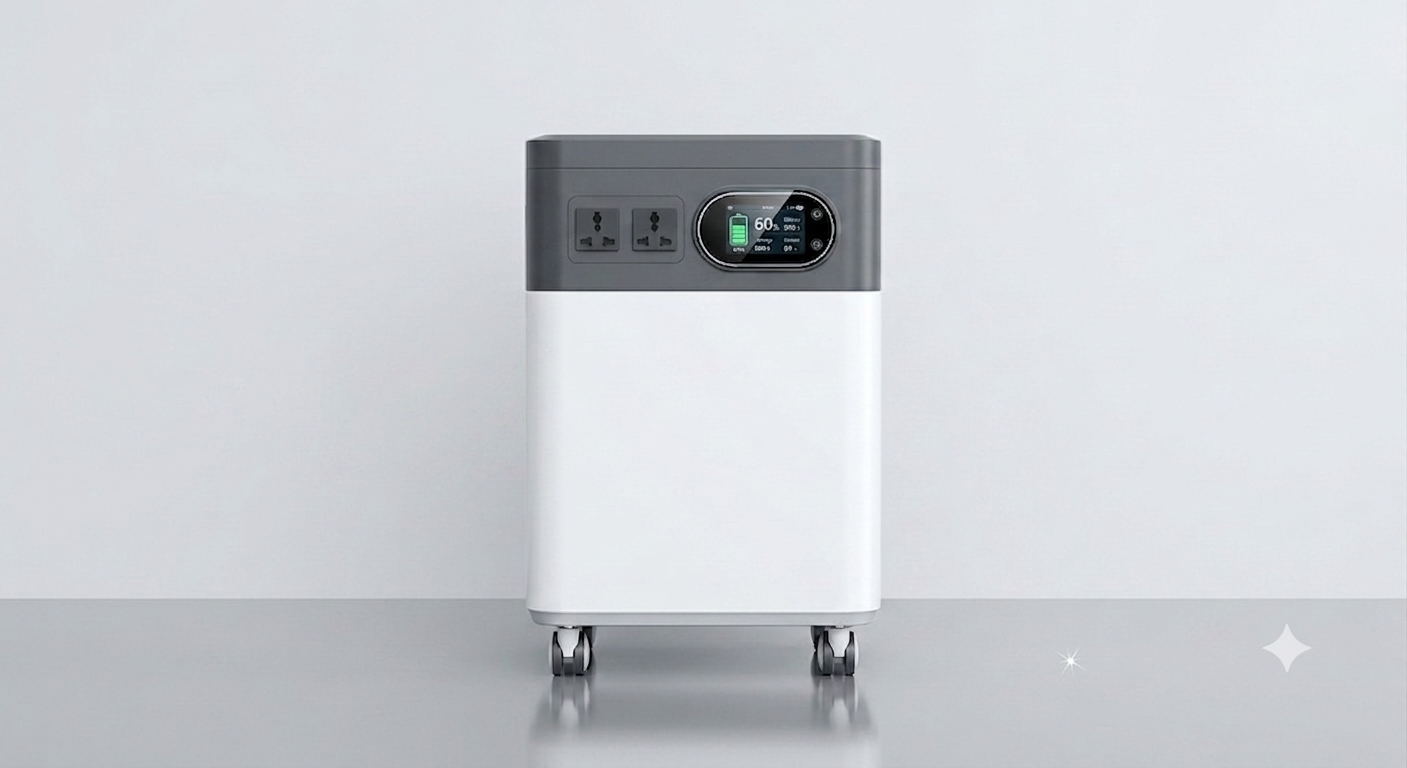
Integrated Design: Combines components like the inverter and battery into one housing, reducing installation complexity and space requirements.
Scalability: Many models support parallel operation, allowing you to connect multiple units (often up to 6 units) to increase total power output, sometimes reaching up to 39kW.
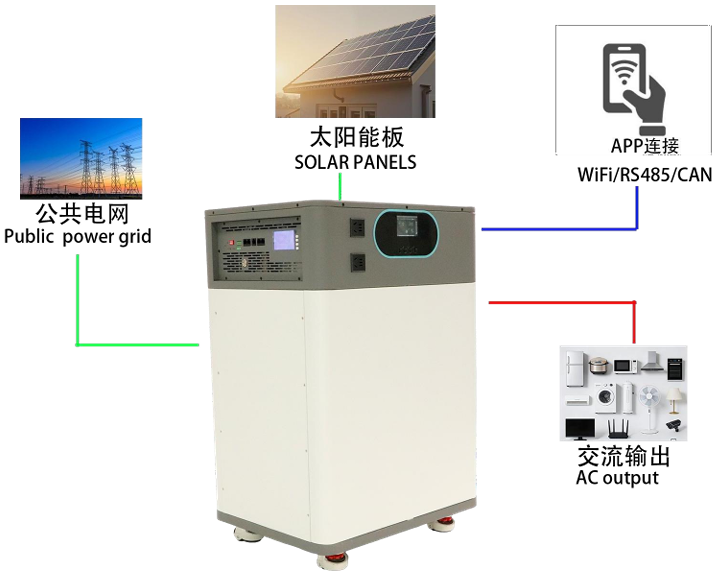
Smart Monitoring: Most systems include built-in communication interfaces (WiFi, RS485, CAN, or USB) that allow for remote monitoring and management via mobile apps or computer software.
Operational Versatility: These systems often support multiple power sources, including solar PV, utility grid, and generators, with intelligent switching for seamless power management.
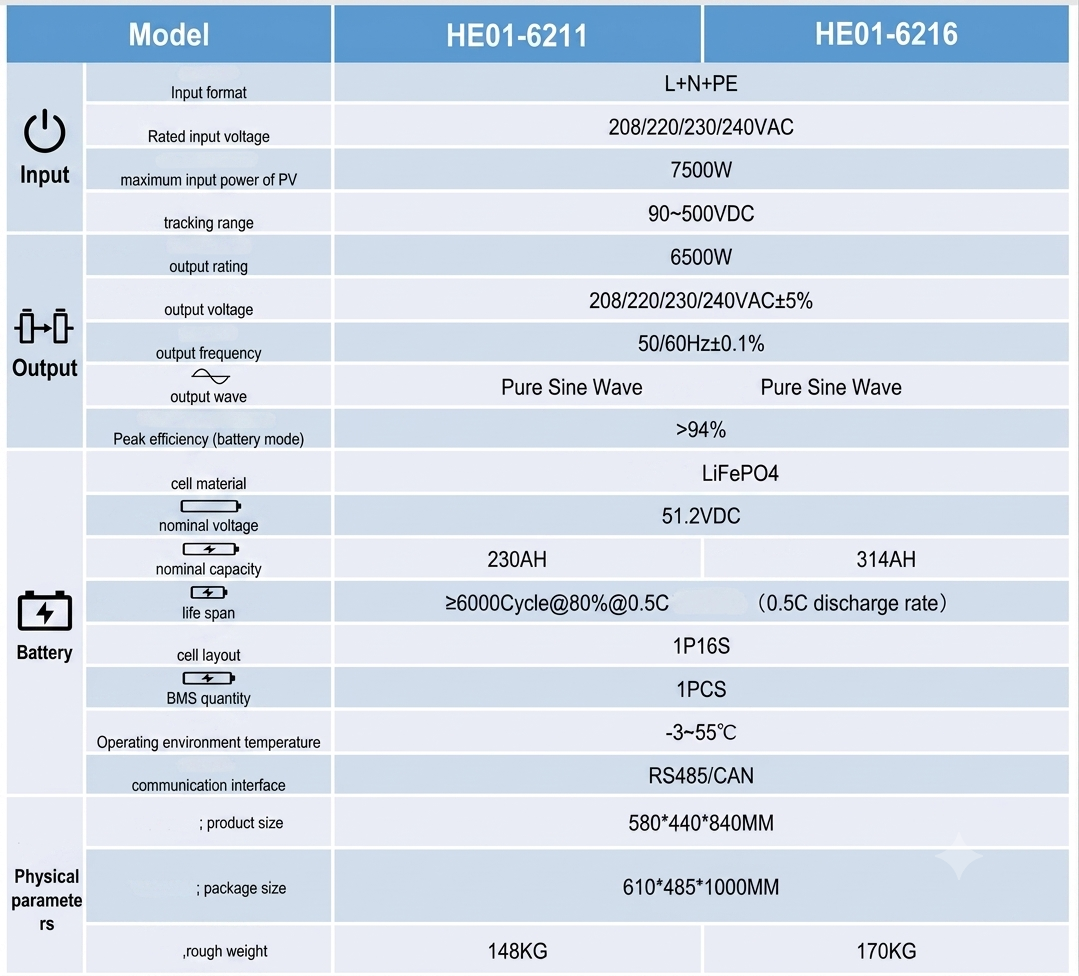
Battery Compatibility: They are generally compatible with various battery chemistries, most commonly Lithium Iron Phosphate (LiFePO4/LFP), known for their safety, efficiency, and long cycle life.
Applications
Residential Backup: Provides uninterrupted power during grid outages.
Off-Grid Living: Serves as a primary power source for cabins, RVs, and remote locations.
Energy Optimization: Facilitates "time-of-use" scheduling, allowing homeowners to store energy when rates are low and use it during peak-demand hours to reduce utility bills.
Reviews & Ratings
Frequently Bought Products

Quick Links
Contacts
-
Phone
-
Email
-
Address
-
Phone
+971-4-2270309
-
Email