








1 / 1




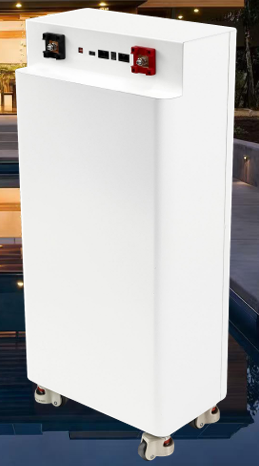
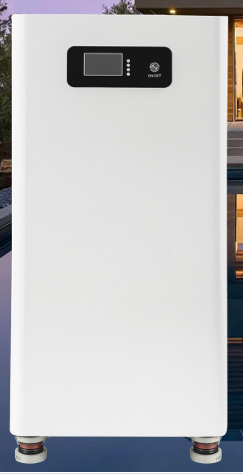
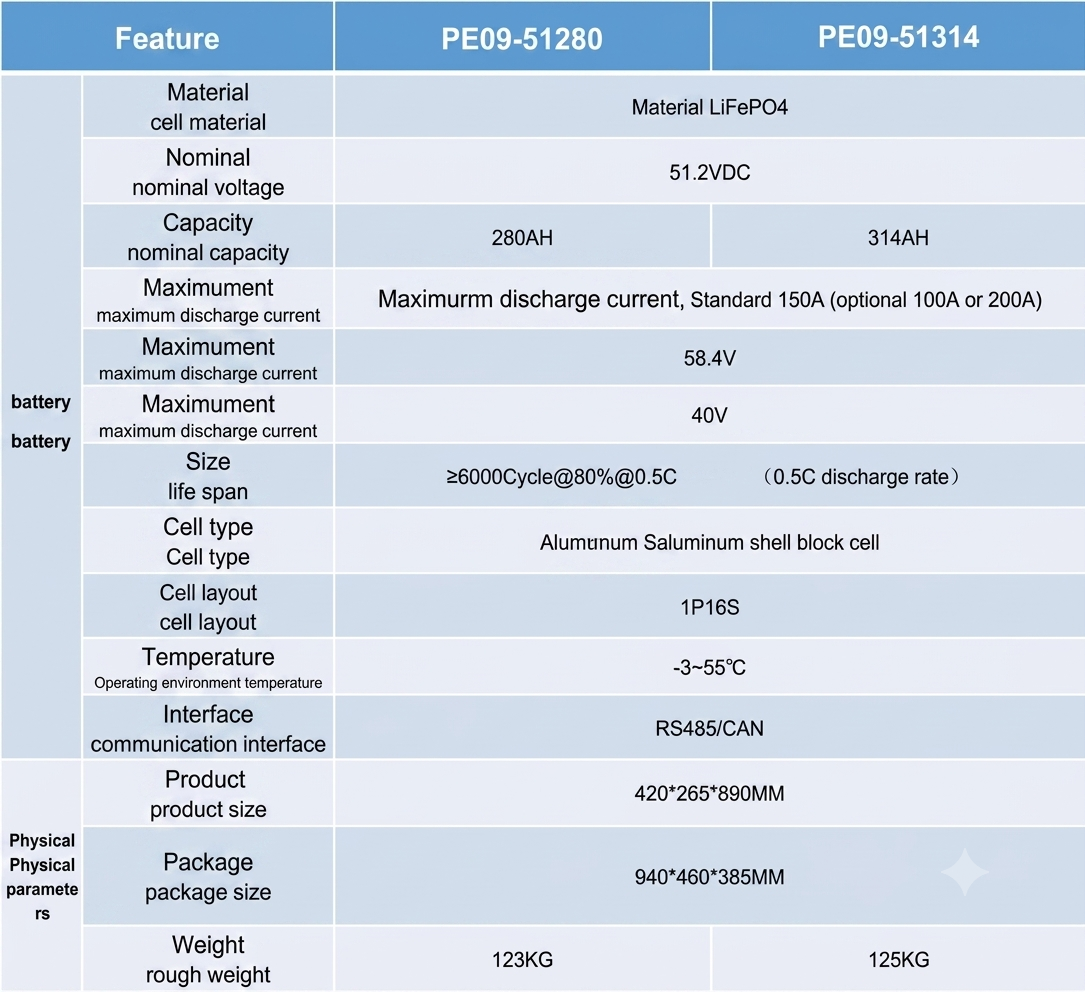
51.2V (Voltage): This indicates that the battery module is constructed using 16 individual LiFePO4 cells in series ($16 \times 3.2V = 51.2V$). This voltage class is highly compatible with most modern 48V hybrid inverters.
10kWh vs. 16kWh (Energy Capacity):
kWh represents the total amount of energy the battery can store.
A 10kWh battery is often suitable for managing nighttime self-consumption of solar energy or backing up essential loads.
A 16kWh battery offers greater flexibility, allowing for longer backup durations during grid outages or supporting larger households with higher electricity demands.
| Feature | Typical Specification |
| Cell Chemistry | LiFePO4 (Lithium Iron Phosphate) |
| Cycle Life | Often ≥ 6,000 cycles at 80% Depth of Discharge (DoD) |
| communication | RS485 and CAN bus (for inverter integration) |
| Safety Features | Integrated Battery Management System (BMS) for over-voltage, over-current, and temperature protection |
| Expandability | Most modules support parallel connection to increase total capacity |
Reviews & Ratings
0
out of 5.0
(0
reviews)
There have been no reviews for this product yet.
Frequently Bought Products

Quick Links
Contacts
-
Phone
-
Email
-
Address
-
Phone
+971-4-2270309
-
Email