











Key Characteristics & Applications
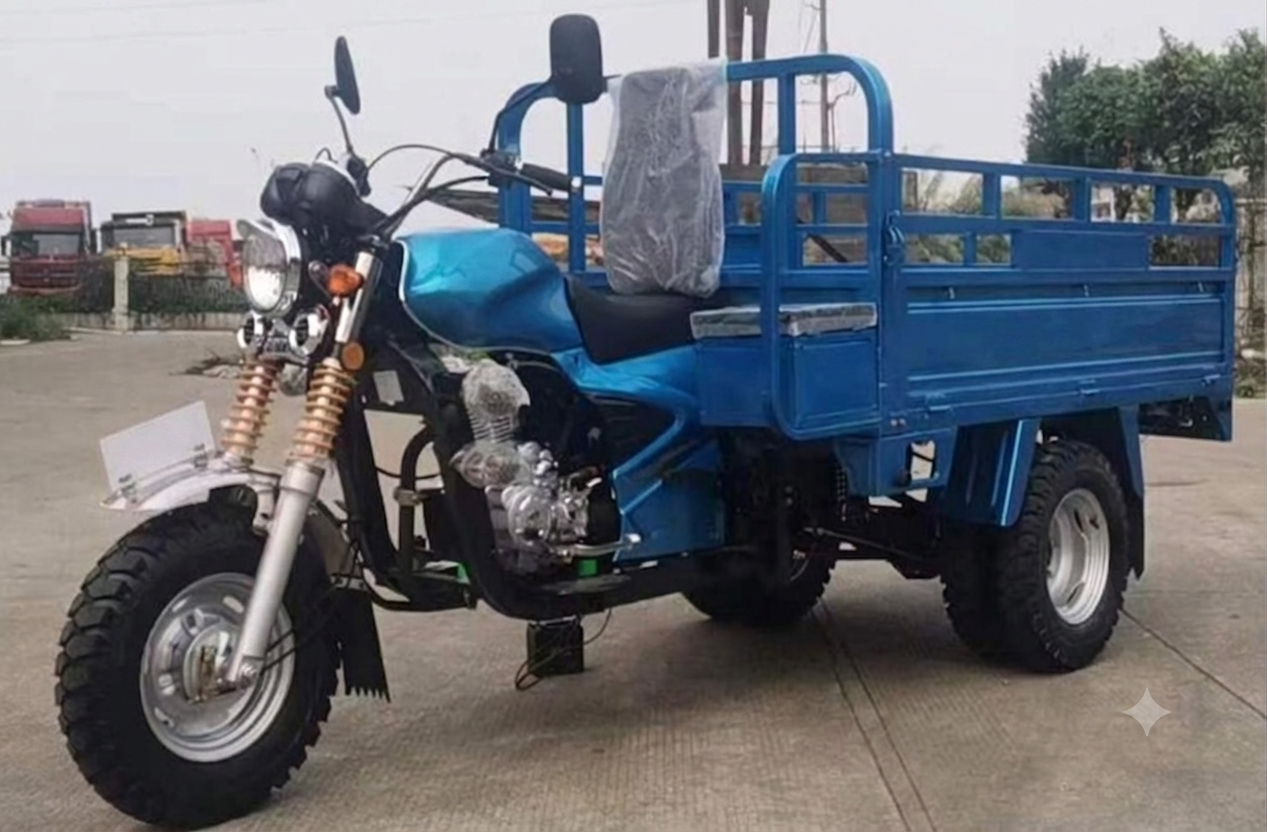
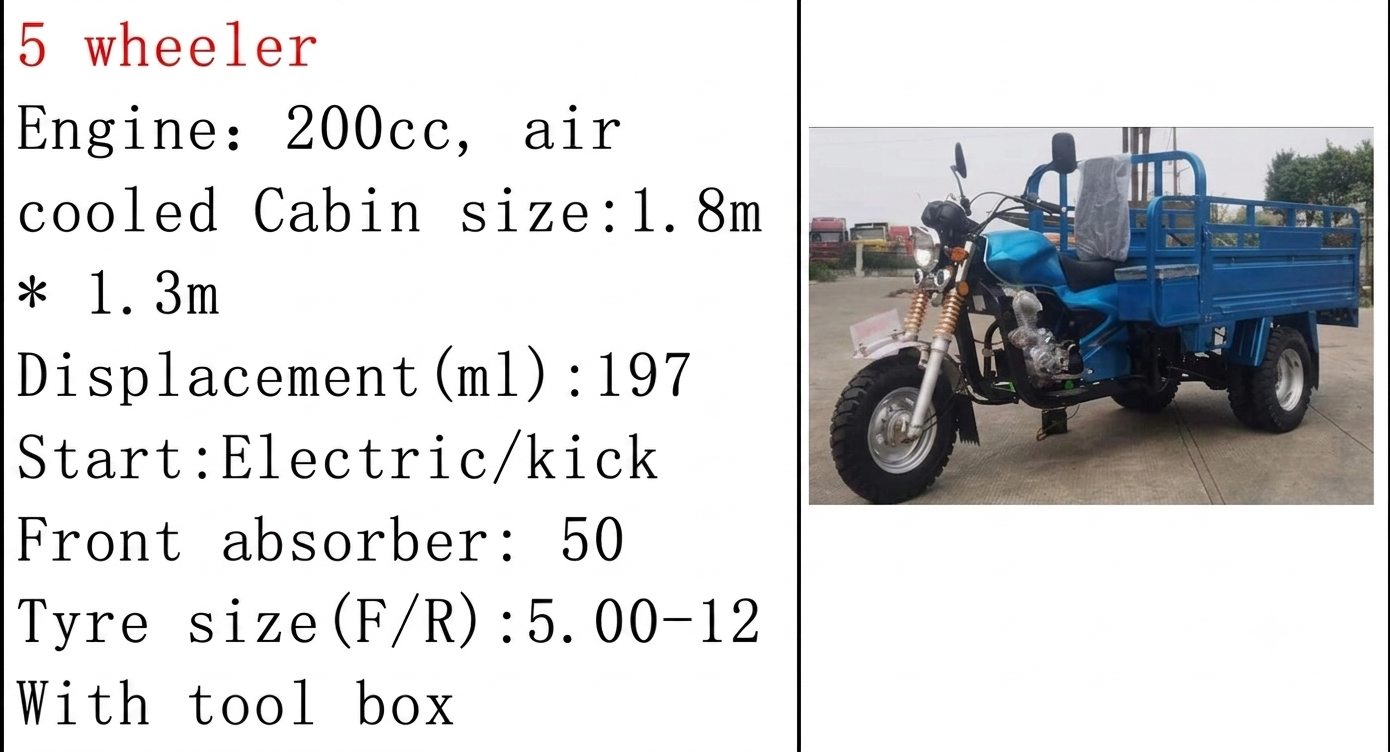
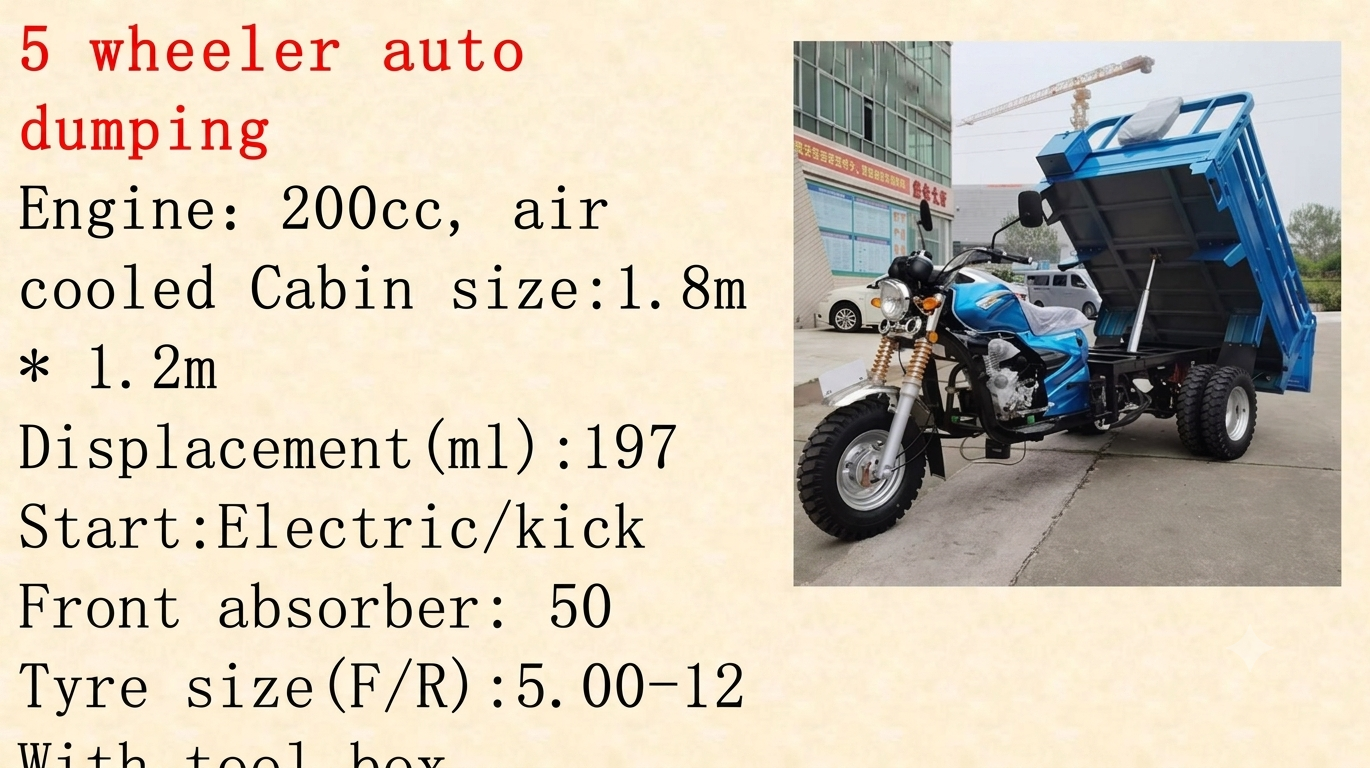
Configuration: Usually consists of a motorized front unit (the "engine" or power head) and a rear tipping bed. The "5-wheeler" designation often refers to the total wheel count (one or two at the front, two on the drive axle, and two supporting the dump bed).
Maneuverability: Designed to navigate narrow alleys, construction sites, and congested areas where standard-sized dump trucks cannot operate.
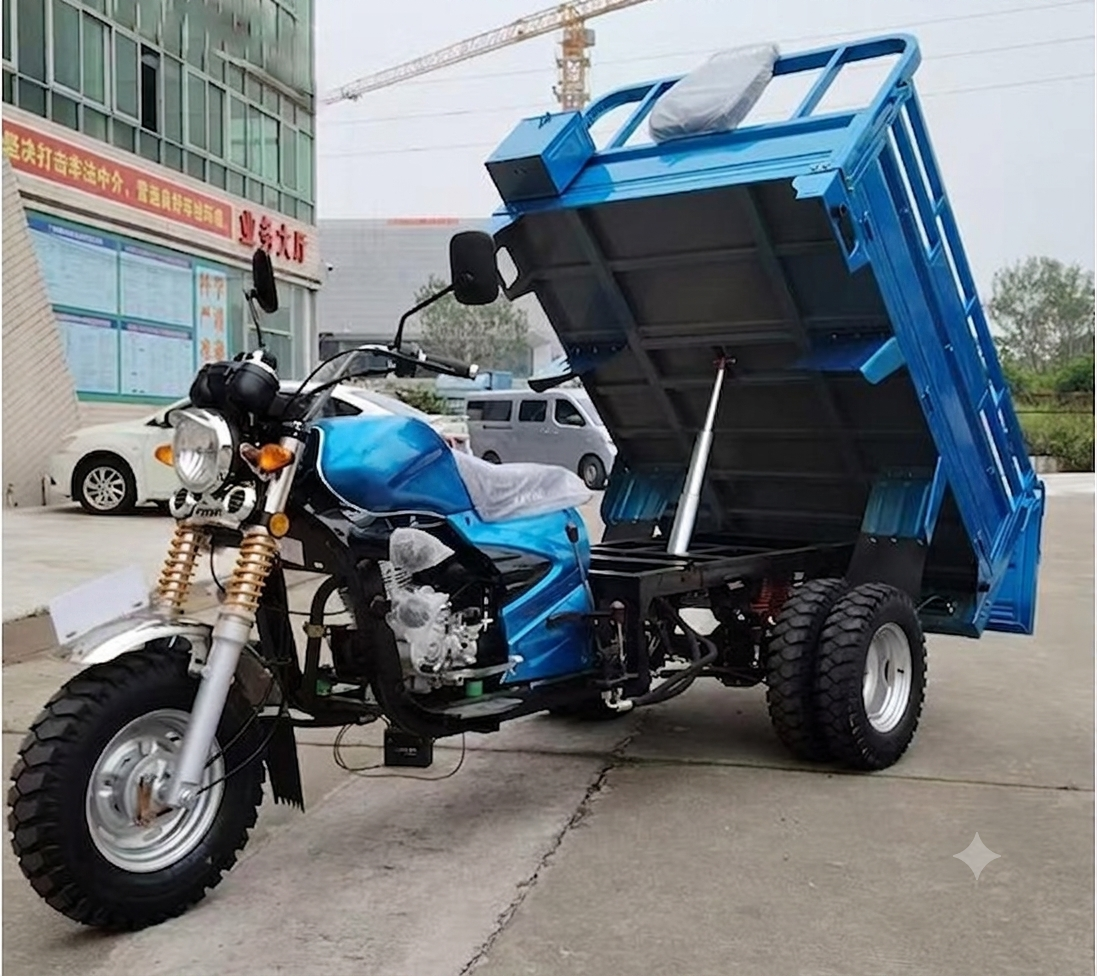
Dump Mechanism: Often features a hydraulic tipping system for controlled unloading of loose materials like sand, construction debris, gravel, or waste.
Power Source: Frequently available in diesel, petrol, or electric versions, depending on the specific application and local environmental regulations.
Typical Use Cases:
Construction: Transporting bricks, cement, and waste in residential or small-scale building projects.
Waste Management: Municipal collection in narrow urban streets where large garbage trucks have limited access.
Agriculture: Moving produce, fertilizer, or soil on farms.
Industrial Logistics: Moving materials within factory floors or warehouses.
Reviews & Ratings
Frequently Bought Products

Quick Links
Contacts
-
Phone
-
Email
-
Address
-
Phone
+971-4-2270309
-
Email