







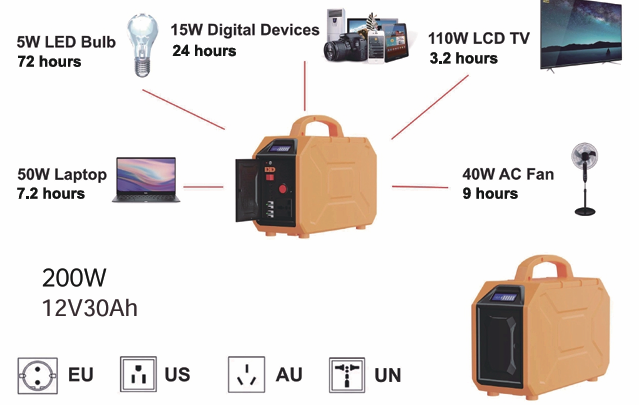
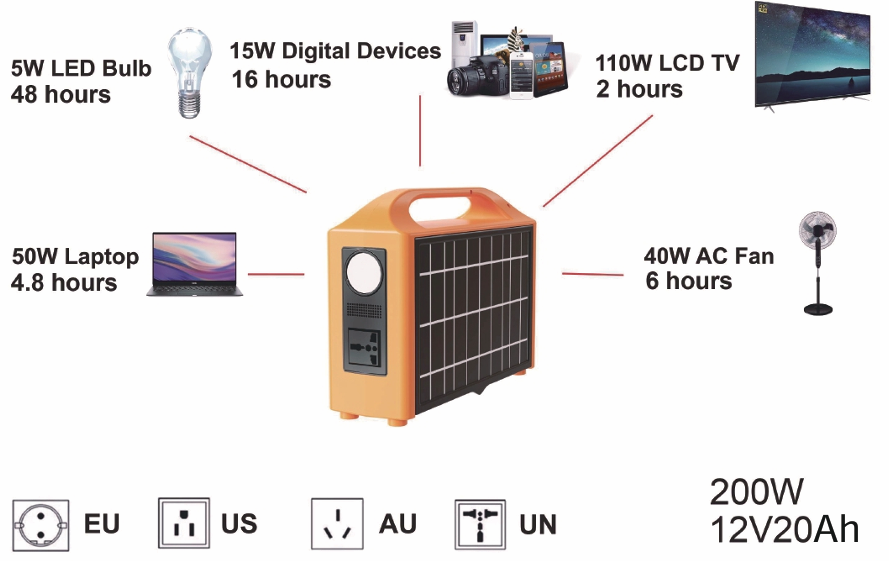
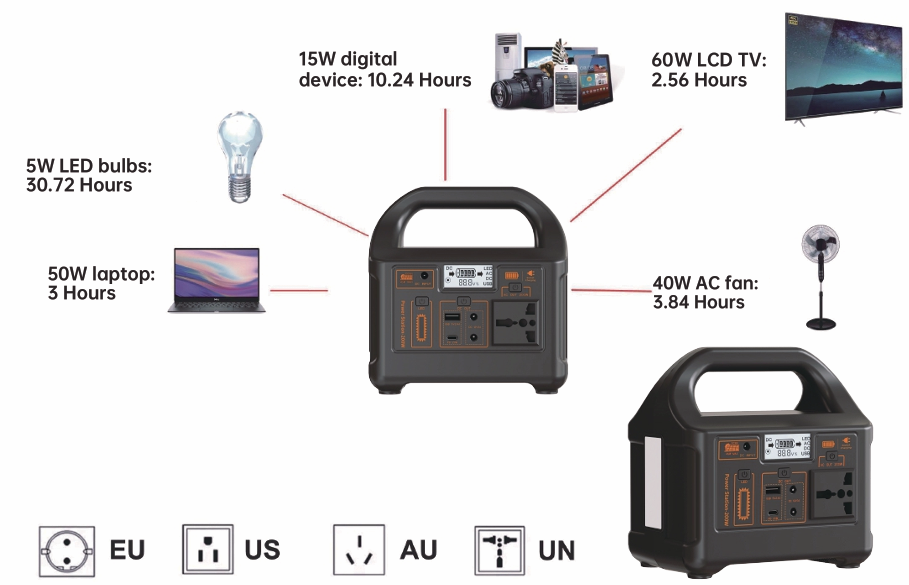
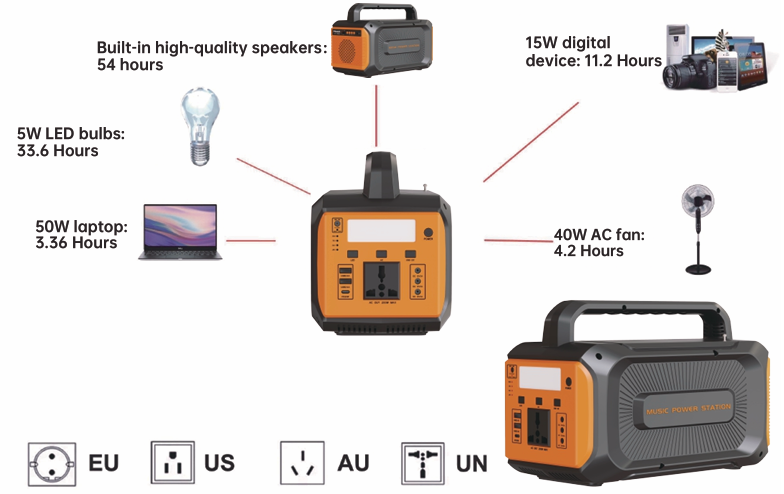




Small Appliances: Powering low-wattage electronics such as car mini-fridges, small electric fans, LED monitors, and some CPAP machines.
Off-Grid Work: Reliably charging high-capacity laptops, cameras, gimbals, and Wi-Fi boosters for remote work.
Enhanced Preparedness: Keeping essential home equipment like Wi-Fi routers, home security cameras, and emergency LED lanterns powered during outages.
Technical Features to Consider
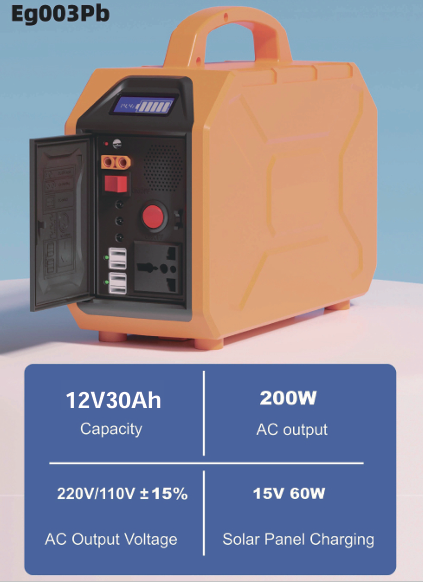
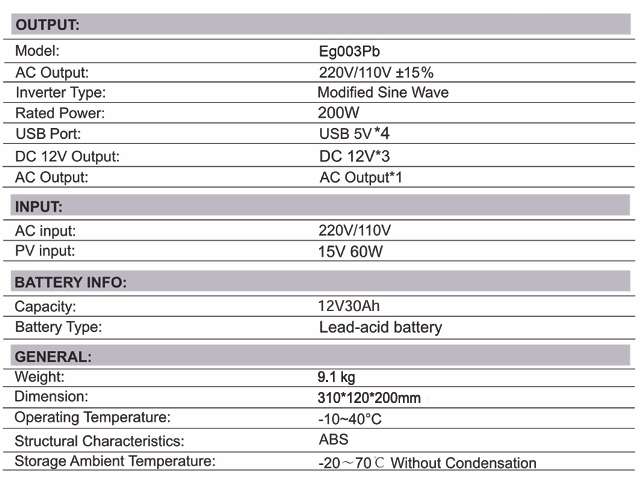
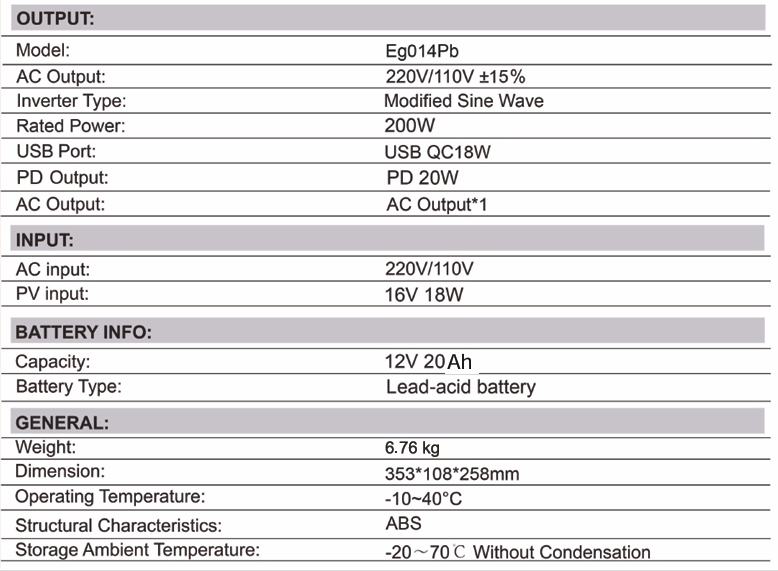
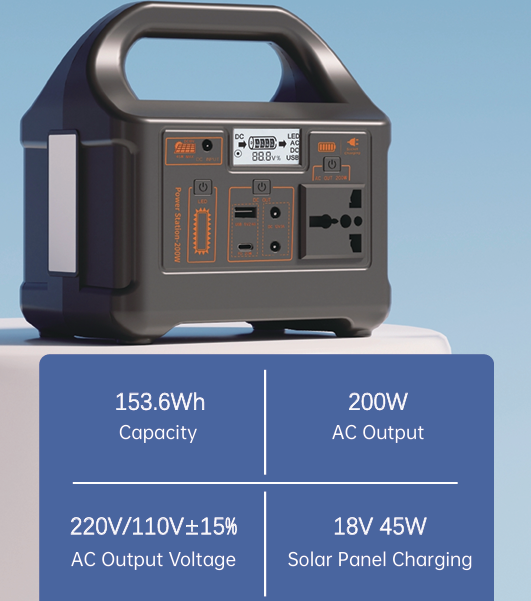
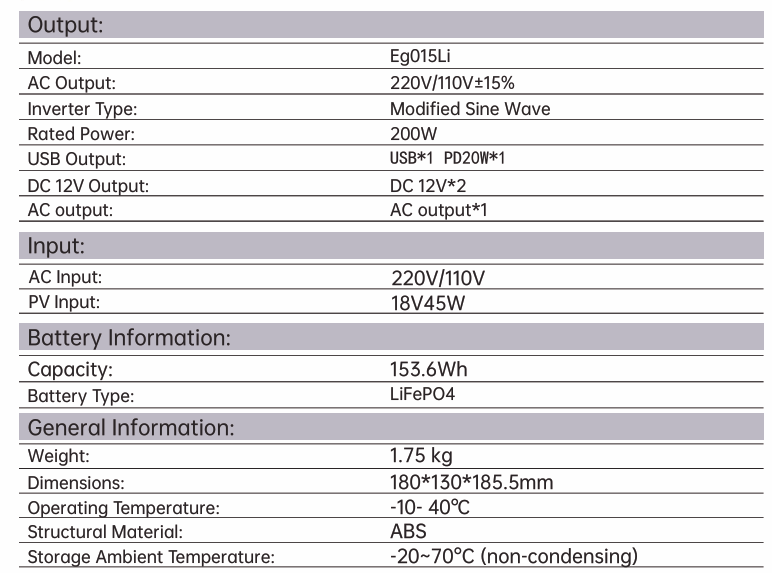
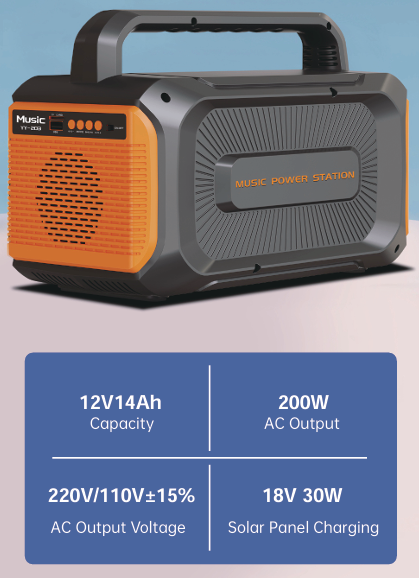
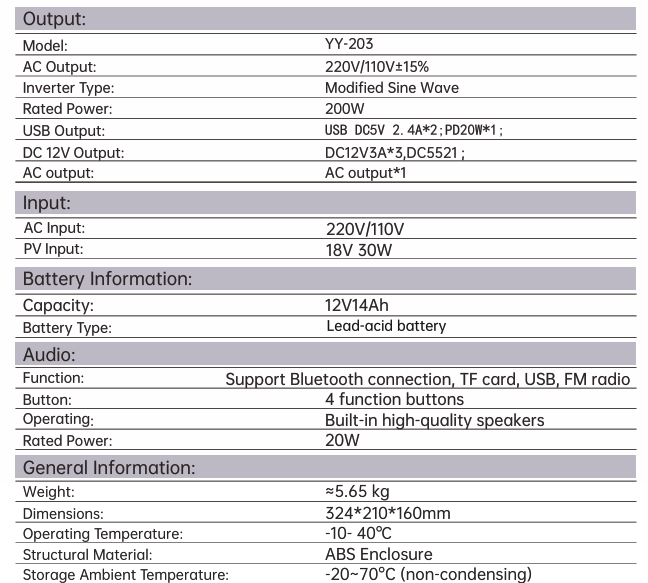
Capacity: You will typically find these units with capacities ranging from 150Wh to 300Wh. This increased capacity extends the runtime for your devices significantly.
Surge Power: Check for "surge" or "peak" power ratings (often 300W–400W). This allows the station to start devices that momentarily require more power than their operating wattage (e.g., small motors).
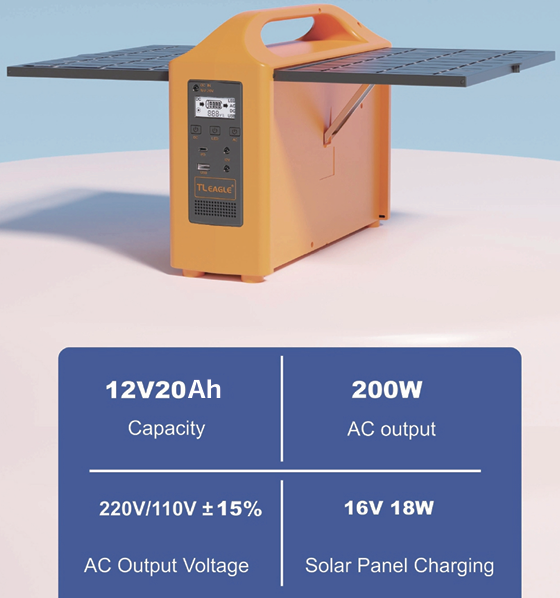
Fast Charging & Solar: Many 200W models now feature sophisticated internal controllers, allowing for fast wall-charging (recharging in 1–3 hours) and efficient solar recharging via MPPT (Maximum Power Point Tracking).
Chemistry: As with smaller units, prioritize LiFePO4 battery chemistry for the best balance of safety, high cycle life (2,000–3,000+ charges), and thermal stability.
Reviews & Ratings
Frequently Bought Products

Quick Links
Contacts
-
Phone
-
Email
-
Address
-
Phone
+971-4-2270309
-
Email